Jul. 14, 2026
News
Affordable 1000L Brewing Equipment: Cost Guide
What does “1000L brewing equipment cheap price” really mean?
When people search for 1000l brewing equipment cheap price, they rarely want the absolute lowest cost at all costs. More often, they want equipment that fits a limited budget, but still brews safe, consistent beer and supports future growth. True “cheap” in a professional context usually means cost‑effective, not simply the smallest number on a quote.At 1000L scale, you are typically running a serious taproom or small craft brewery. That means your equipment must meet basic standards for food safety, durability, cleaning, and process control. Cutting the wrong corners can quickly turn a “cheap” purchase into an expensive problem later.
Which parts of 1000L equipment you should never cheap out on
Trying to chase the lowest 1000l brewing equipment cheap price by reducing quality everywhere can damage your beer, your brand, and your finances. There are several elements where cost‑cutting is risky:
- Tank material and thickness
- Internal welds and finishes
- Safety fittings
- Basic control of temperature
In these areas, a “cheap” option can create high future costs—downtime, product loss, or replacement equipment. Cheap price should be pursued in other, less critical aspects.
Where you can reasonably control costs for 1000L systems
The idea behind 1000l brewing equipment cheap price is to focus savings in places that do not fundamentally compromise quality or safety. Some realistic cost‑control levers include:- Brewhouse configuration simplicity Instead of a complex multi‑vessel, heavily automated brewhouse, many small breweries can work well with a simpler mash/lauter plus kettle/whirlpool setup. Fewer vessels usually mean lower initial cost.
- Limited initial tank count Starting with fewer 1000L fermenters and bright tanks, then adding more as demand grows, can keep the first investment smaller. It’s better to have a solid base and expand than to fill the room with under‑built tanks.
- Basic, not luxury finishes External polishing or elaborate cladding adds visual appeal but doesn’t always improve function. Choosing practical finishes over purely cosmetic upgrades can save money without hurting performance.
- Essential automation only For many 1000L breweries, good temperature controllers and simple pump panels are enough at the beginning. Advanced automation and data systems can be added later.
- Standardized fittings and accessories Using common valve types, clamps, and hoses simplifies maintenance and sourcing, often at lower cost compared with very specialized hardware.
Key factors that shape 1000L brewing equipment pricing
Even when aiming for 1000l brewing equipment cheap price, it helps to understand the main pricing drivers so that quotations make sense:- Total tank volume and number of units More tanks equal more steel, fabrication, and installation work. For a starter 1000L setup, it’s common to balance a manageable number of fermenters and bright tanks with realistic sales expectations.
- Brewhouse size and complexity A basic 1000L brewhouse with fewer vessels and simpler piping will typically cost less than a highly configurable, multi‑vessel system at the same volume.
- Cooling and CIP systems Cooling capacity and cleaning infrastructure add to the budget. Choosing correctly sized—but not overspecified—chillers and CIP stations is part of controlling cost.
- Customization level The more your equipment needs unique layouts, unusual dimensions, or special accessories, the more engineering and fabrication time is required, which increases price.
How to plan a cost‑effective 1000L brewery setup
To reach a viable 1000l brewing equipment cheap price without undermining your beer, you can follow a practical planning path:
1.Clarify your production goal
Decide how many 1000L brews per week you realistically expect in the first year. This shapes how many tanks and how complex a brewhouse you truly need.
2.Define a minimal, functional process flow
Map the basic path from malt to finished beer: brewhouse, fermenters, bright tanks, cleaning, and packaging. This helps ensure you cover all stages with appropriate equipment.
3.Separate “must‑have” from “nice‑to‑have”
Must‑have: quality tanks, acceptable materials, safe fittings, and temperature control.
Nice‑to‑have: extra vessels for speed, high‑level automation, cosmetic finishes.
4.Set your budget range
Estimate what you can invest, including some room for installation, utilities, and early operational expenses, not just the equipment itself.
5.Request simplified configurations first
Ask suppliers to propose a basic 1000L system that includes essentials and uses standard designs, instead of starting from a heavily customized concept.
6.Iterate on the design to trim cost wisely
Once you see a base proposal, adjust tank counts, accessories, and automation level carefully. Remove or reduce items that add cost but little operational benefit at your current size.
Using this method, you build a compact, workable 1000L brewery that fits your budget and can later be extended.
Balancing cheap price with long‑term value
A low initial quote is attractive, but the real test of 1000l brewing equipment cheap price is how it performs over time. When comparing options, consider:
1.Expected lifespan of tanks and key components
Stronger materials and better fabrication may cost more now but avoid early replacement.
2.Ease of cleaning and maintenance
Simple, well‑designed CIP and access points reduce labor and cleaning expenditure.
3.Room for future upgrades
If the system can accept more tanks or higher automation later without major rework, your first investment is more valuable.
4.Impact on beer quality and brand
Equipment that helps you brew consistently protected beer supports sales and reputation; poor equipment can undermine both.
Cheap price is only true value when these factors still work in your favor.
A practical example of cost‑balanced 1000L equipment
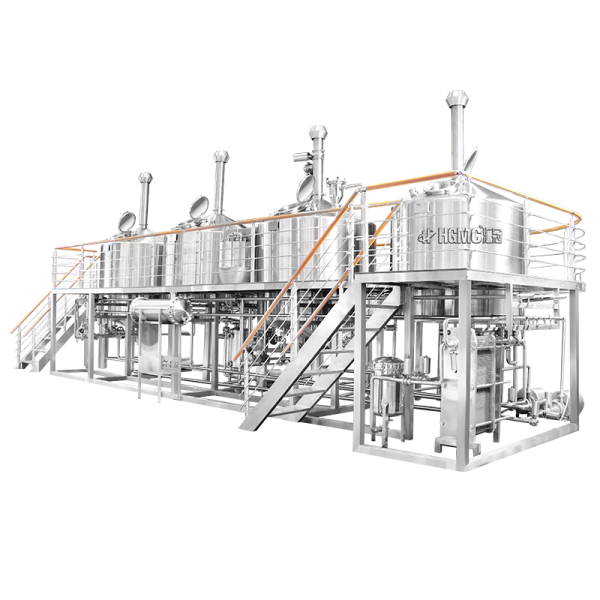
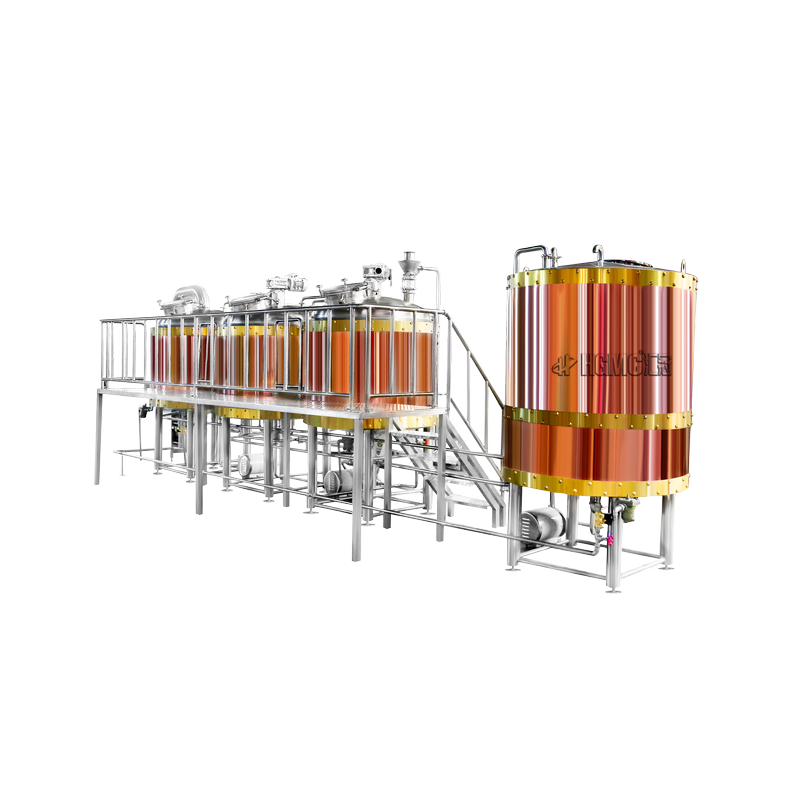
Imagine a small brewery aiming for three 1000L brews per week, with a taproom and limited distribution. A balanced approach to 1000l brewing equipment cheap price might look like:- A straightforward 1000L mash/lauter + kettle/whirlpool brewhouse with practical platforms.
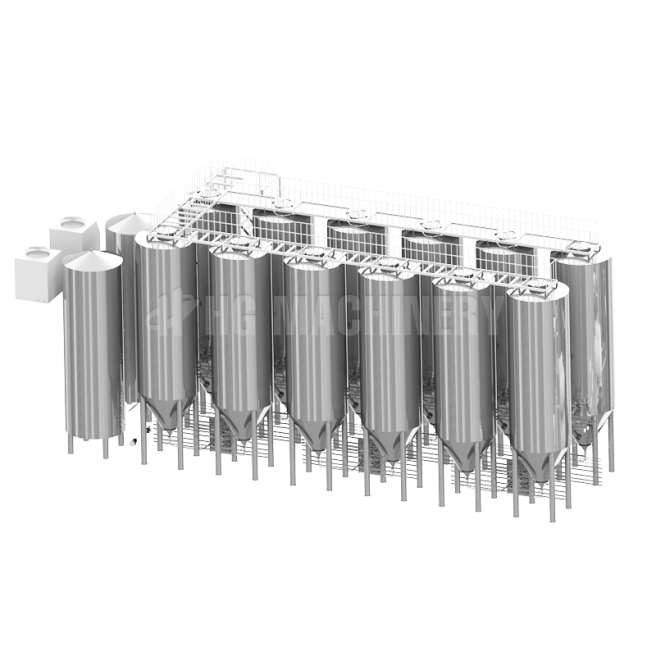
- Two or three 1000L fermenters, with the option to add more later.
- One or two bright beer tanks sized to match packaging runs.
- A correctly sized glycol system and basic CIP tools.
- Simple temperature controllers and modest pump/valve panels.