Jul. 08, 2026
News
High‑Efficiency Brewing Equipment Solutions
Why high‑efficiency brewing equipment matters now
High‑efficiency brewing equipment is no longer just a nice technical upgrade; it is a core part of how modern breweries stay profitable and competitive. Efficiency in a brewery means more than fast brew days. It covers energy usage, raw material utilization, labor productivity, cleaning time, and equipment uptime. When equipment is designed to be efficient, every batch becomes easier to run, more predictable in quality, and less expensive to produce.HGMC focuses on high‑efficiency designs for breweries at different scales—from compact craft operations to larger beer factories—so that efficiency is built into the equipment from the start rather than added later as an afterthought.
What “efficiency” means in different parts of the brewery
To understand brewing equipment high efficiency, it helps to break the brewery into key areas and see what efficiency looks like in each:- Brewhouse efficiency Getting the most sugar from malt with stable, repeatable mash and lauter performance, and moving wort through the system quickly and safely.
- Fermentation and conditioning efficiency Keeping fermentation under tight temperature control, minimizing product losses during transfers, and turning tanks around on schedule.
- Cleaning efficiency Reducing the time and resources needed to clean vessels and lines thoroughly, while maintaining high hygiene standards.
- Energy and resource efficiency Limiting unnecessary heating, cooling, and water usage, and avoiding waste of raw materials.
- Operational efficiency Making sure equipment layouts and controls help staff work with fewer steps and less confusion.
Brewhouse features that raise efficiency
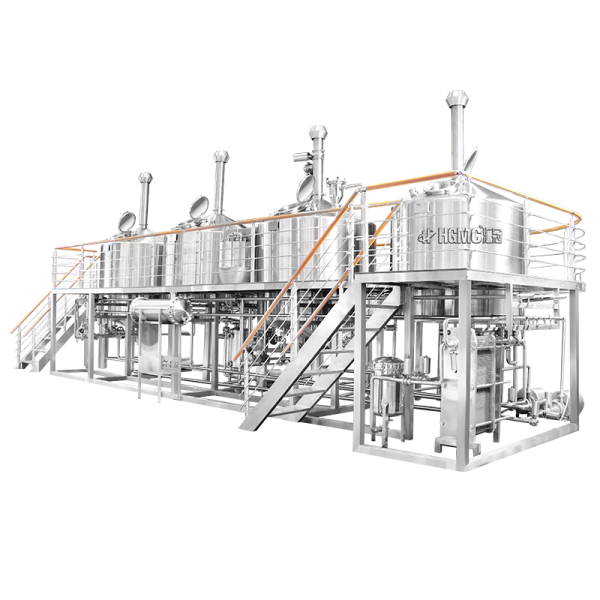
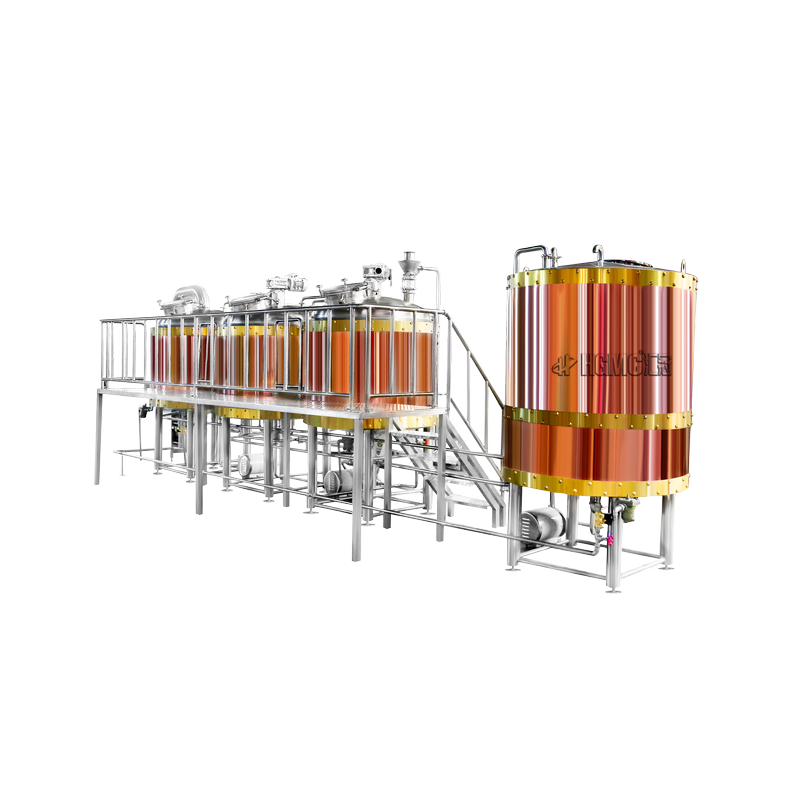
In the brewhouse, high‑efficiency equipment focuses on stable performance and smooth workflow. Key design features include:- Optimized mash and lauter design Mash tuns with properly sized agitators and well‑designed rakes, plus lauter tuns with effective false bottoms and sparging systems. This combination shortens lautering time and improves sugar extraction, meaning fewer stuck mashes and more predictable wort gravity.
- Well‑proportioned kettles and whirlpools Kettles designed for consistent boiling help achieve reliable bitterness and flavor development. Whirlpools shaped to collect trub effectively contribute to clear wort and reduce issues downstream.
- Correctly sized pumps and piping Pumps matched to expected flow rates and product types avoid excessive shear and cavitation. Piping routes that minimize dead legs and unnecessary bends reduce both transfer time and cleaning effort.
- Efficient heat exchangers Plate or tubular heat exchangers sized to cool each batch quickly while avoiding overloading the cooling system. Fast, controlled cooling minimizes the time wort spends in temperature ranges that are less stable.
High‑efficiency fermentation and conditioning equipment
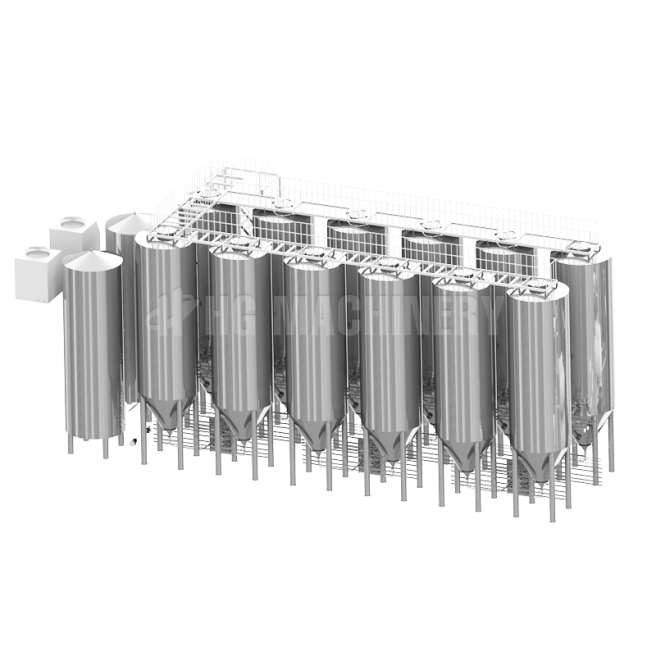
Efficiency carries through to the cellar, where fermentation tanks and bright beer tanks must support both quality and timing:- Multi‑zone cooling jackets Tanks with multiple cooling zones allow precise control over temperature, which helps yeast work consistently and reduces the risk of temperature swings.
- Insulated vessels Proper insulation reduces cooling demand, keeping energy costs under control while maintaining target temperatures.
- Smart tank layout Tanks positioned with clear access routes and logical connections for transfers and CIP. This shortens walking distances and reduces the number of hose changes needed.
- Well‑designed outlets and internal geometry Smooth internal surfaces and properly located outlets reduce beer left behind after transfers, lowering product loss.
Cleaning systems and design choices that boost efficiency
Cleaning is essential but can become a major drag on productivity if equipment is hard to clean. High‑efficiency brewing equipment addresses cleaning with both hardware and layout:- Integrated CIP (clean‑in‑place) devices Spray balls and CIP connections installed in brewhouse vessels and tanks to reach all internal surfaces without manual scrubbing.
- Central CIP stations and manifolds Systems that allow cleaning solutions to be prepared and circulated through different parts of the brewery without constantly reconnecting hoses.
- Clean piping design Piping routes planned to minimize pockets where product or cleaning solutions might stagnate. This makes cleaning faster and more reliable.
- Clear cleaning procedures Equipment and controls designed so that standard cleaning cycles are easy to understand and repeat, reducing the chance of missed steps.
Energy and resource efficiency in brewing equipment
High‑efficiency brewing equipment also targets resource usage:- Controlled heating and cooling Systems designed to avoid unnecessary heating and cooling cycles. Accurate controls reduce overshoot and constant corrections.
- Reduced water use in cleaning CIP setups and smooth vessel surfaces can reduce the amount of water needed to achieve cleanliness.
- Product loss reduction Thoughtful outlet placement, smooth internal welds, and appropriate dip‑tube designs minimize beer left in tanks and lines after transfers.
Controls and automation as efficiency tools
Automation is not only about convenience; it is a powerful tool for high efficiency when applied correctly. Typical efficiency‑oriented features include:- Stable temperature control Automated control of fermentation and conditioning temperatures helps keep yeast behavior consistent and reduces manual adjustments.
- Recipe‑based brewhouse steps Repeatable mash profiles, timed boils, and controlled transfers reduce variation between batches and shorten learning curves for new staff.
- Alarms and status indicators Basic alerts for abnormal conditions (like unexpected temperature changes) help staff react quickly before issues escalate.
- Data points for improvement Simple logging or recording of key parameters can provide a basis for gradual optimization of efficiency over time.
How to choose brewing equipment with efficiency in mind
Selecting high‑efficiency brewing equipment works best when you focus on where you can gain the most in your own brewery. A practical approach is:- Identify your current pain points Think about where you lose most time or product: slow lautering, long cleaning cycles, inconsistent fermentation, or frequent pump and valve adjustments.
- Prioritize areas for improvement Decide whether brewhouse, cellar, cleaning, or controls need attention first. Not every area has to change at once.
- Define realistic efficiency goals For example, reducing average brew day length, cutting cleaning time per tank, or improving batch‑to‑batch consistency.
- Match equipment features to goals Look for specific design characteristics—like better mash/lauter systems or integrated CIP—that directly support your targets.
- Discuss options with HGMC Share your pain points and goals so HGMC can propose equipment or layout changes that address them clearly, without adding unnecessary complexity.
HGMC’s approach to high‑efficiency brewing equipment
HGMC designs brewhouse and cellar equipment with efficiency as a core principle. Rather than trying to maximize every parameter in isolation, HGMC looks at how the entire brewing line will function day‑to‑day: how staff will move, how cleaning will be done, and how recipes will be repeated. This holistic view allows the company to suggest systems where efficiency comes from good design and practical controls, not from pushing processes beyond what is comfortable or safe.If you are considering upgrades or planning a new installation, you can first review HGMC’s overall brewery equipment solutions, then discuss specific efficiency goals—such as shorter brew days or lower cleaning times—with the HGMC team to shape a solution that makes brewing smoother, more consistent, and more cost‑effective.