Jun. 25, 2026
News
How Much Does Automatic Brewing Equipment Cost?
What Is Automatic Brewing Equipment?
Automatic brewing equipment refers to advanced brewing systems designed to streamline and control the entire beer production process with minimal manual intervention. These systems integrate programmable logic controllers (PLC), sensors, and software interfaces to automate key steps such as mashing, lautering, boiling, fermentation temperature control, and cleaning.
Compared to traditional manual brewing setups, automatic systems allow brewers to achieve higher consistency, repeatability, and efficiency. Operators can monitor and adjust brewing parameters through a central touchscreen interface, often with remote access and multilingual support.
For commercial breweries aiming to scale production or maintain strict quality standards, automatic brewing equipment has become a core investment rather than a luxury.
How Much Does Automatic Brewing Equipment Cost?
The cost of automatic brewing equipment varies significantly depending on system size, automation level, configuration, and customization requirements. There is no one-size-fits-all price, but understanding typical ranges helps set realistic expectations.
For small commercial breweries, a 300L to 500L automatic brewing system typically costs between $30,000 and $80,000. These systems are suitable for brewpubs or pilot production facilities where space and output are limited but consistency is still important.
Mid-sized breweries operating 1000L to 3000L systems usually invest between $80,000 and $300,000. These setups often include more advanced automation, multiple fermentation tanks, and integrated cleaning systems, making them ideal for growing craft breweries.
Large-scale breweries with capacities of 5000L and above can expect costs exceeding $500,000, especially when including fully automated brewhouses, extensive fermentation capacity, packaging lines, and customized process control systems.
It is important to note that the total investment goes beyond the brewhouse itself. Additional costs may include installation, utilities setup, building modifications, and staff training. However, automation often reduces long-term labor costs and improves production efficiency, delivering a strong return on investment over time.
What Factors Influence the Cost of Automatic Brewing Equipment?
Several key factors determine the final price of an automatic brewing system. Understanding these variables helps brewery owners make informed decisions and avoid unexpected expenses.
- Automation level: Fully automatic systems with advanced PLC controls and data tracking are more expensive than semi-automatic setups but offer higher efficiency and consistency.
- System capacity: Larger systems require more materials, larger tanks, and more complex infrastructure, which increases costs.
- Material quality: High-grade stainless steel such as SUS304 or SUS316 ensures durability and hygiene but adds to the price.
- Configuration complexity: Additional vessels, fermentation tanks, bright beer tanks, and auxiliary systems (such as CIP and cooling units) raise overall costs.
- Control system sophistication: Custom-developed control software, multilingual interfaces, and remote monitoring capabilities can increase upfront investment but improve usability.
- Certification requirements: Equipment designed to meet international standards such as CE, UL, or PED may involve higher manufacturing costs but is essential for certain markets.
- Customization: Tailored layouts, special brewing processes, or unique design requirements can significantly affect pricing.
For example, a brewery that requires a fully automated 2000L system with integrated fermentation, CIP system, and remote monitoring will pay considerably more than a basic semi-automatic brewhouse of the same size.
Why Invest in Automatic Brewing Equipment?
Automatic brewing systems provide several operational and financial advantages that make them attractive for modern breweries.
First, automation ensures consistent product quality. Precise control over temperature, timing, and flow rates eliminates variations between batches, which is crucial for brand reputation.
Second, it reduces labor requirements. Instead of relying on manual adjustments and constant monitoring, a single operator can oversee multiple processes simultaneously, improving workforce efficiency.
Third, automation increases production capacity. Faster cycle times and optimized workflows allow breweries to produce more beer in less time without compromising quality.
Fourth, it enhances data-driven brewing. Modern systems collect and store process data, enabling brewers to analyze performance, refine recipes, and improve efficiency over time.
Finally, automatic systems support scalability. As demand grows, breweries can expand production with minimal changes to their core processes.
What Equipment Is Included in an Automatic Brewing System?
A complete automatic brewing system typically consists of several integrated components working together to deliver a seamless brewing process.
The malt milling system is responsible for crushing grains to prepare them for mashing. Proper milling ensures optimal extraction efficiency.
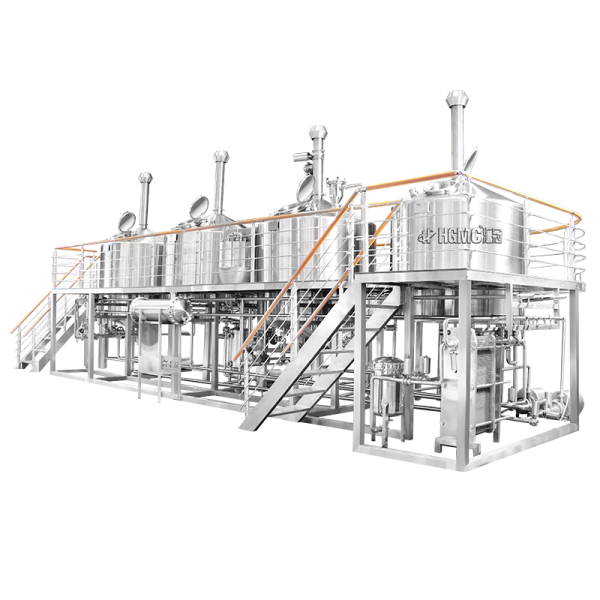
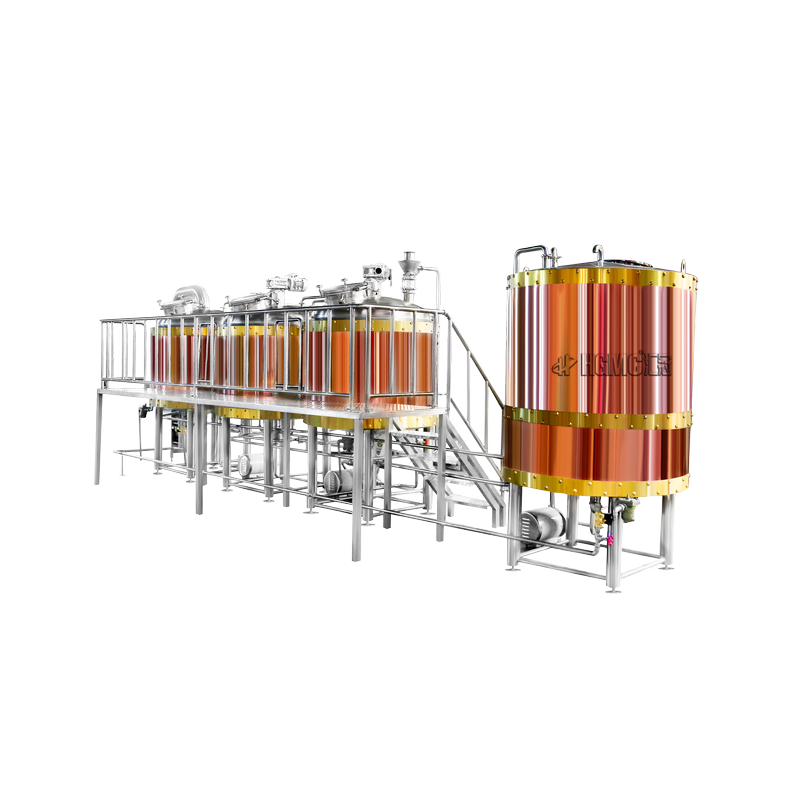
The brewhouse is the core of the system and usually includes mash tun, lauter tun, boiling kettle, and whirlpool. In automated systems, these vessels are controlled by programmable systems to maintain precise brewing conditions.
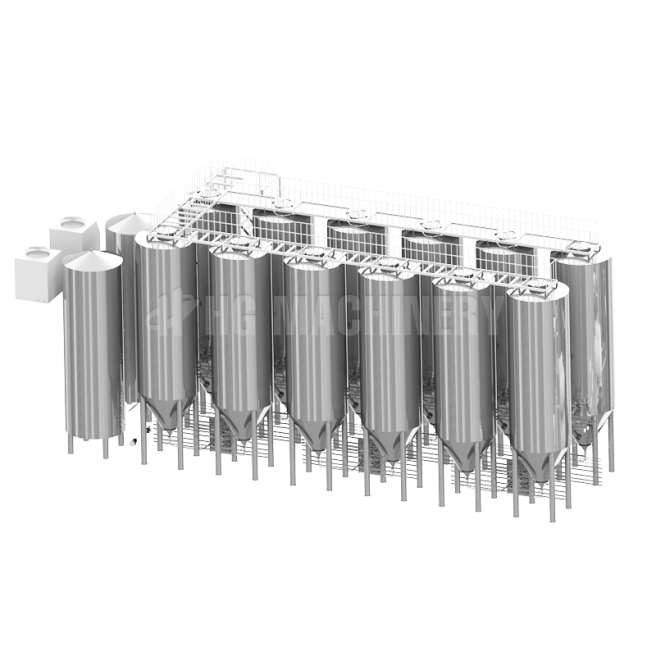
Fermentation tanks are used to convert wort into beer under controlled temperature and pressure conditions. Automatic systems regulate fermentation temperature to ensure consistent results.
Bright beer tanks are used for maturation, carbonation, and storage before packaging.
The cooling system, often based on glycol chillers, maintains required temperatures throughout the brewing and fermentation process.
The CIP (clean-in-place) system automates cleaning and sanitation, ensuring hygiene standards are met without manual labor.
The control system acts as the brain of the entire setup, integrating all components into a single interface for monitoring and control.
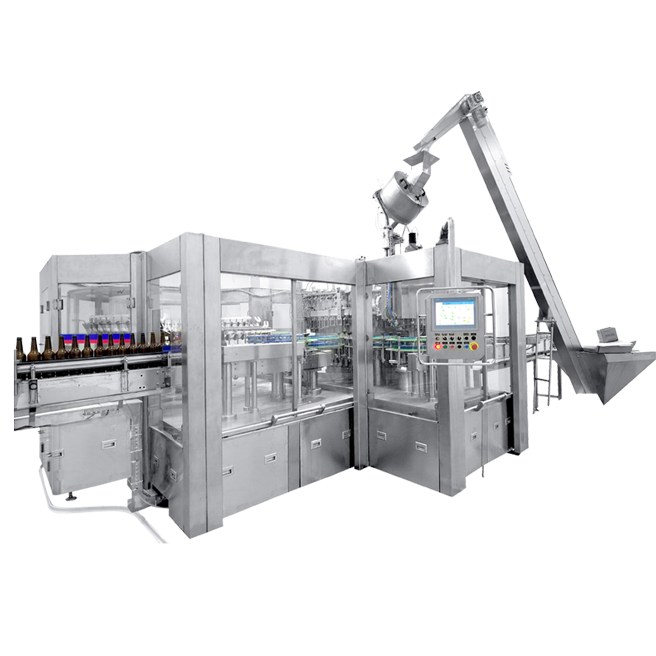
Optional components may include bottling lines, canning systems, kegging systems, and water treatment units, depending on the brewery’s production and packaging needs.
How to Choose the Right Automatic Brewing Equipment?
Selecting the right automatic brewing system requires careful planning and alignment with business goals.
Start by defining your production capacity. Consider both current demand and future growth to avoid under- or over-investment.
Evaluate your available space and facility layout. Equipment size and configuration must fit within your brewery while allowing efficient workflow and maintenance access.
Set a realistic budget that includes not only equipment costs but also installation, utilities, and operational expenses.
Consider your target market. A brewery focused on local craft beer may have different requirements compared to one producing for large-scale distribution.
Assess the supplier’s experience and support capabilities. Reliable technical support, training, and after-sales service are critical for smooth operation.
For instance, a startup brewery planning to produce 1500L per batch with plans to expand within three years should choose a scalable system with room for additional fermentation tanks and future upgrades.
Why Supplier Experience Matters in Brewery Projects
Choosing the right equipment supplier is just as important as selecting the equipment itself. An experienced manufacturer can guide you through system design, installation, and operational optimization.
A strong supplier will provide:
- Customized equipment solutions based on your brewing goals
- Detailed process flow diagrams and layout designs
- Cost and return-on-investment analysis
- Transparent production timelines
- Reliable installation and commissioning services
- Ongoing technical support and training
Working with a supplier that understands both brewing technology and global market requirements reduces risks and ensures long-term success.
Why Consider HGMC for Automatic Brewing Equipment?
When evaluating automatic brewing equipment suppliers, HGMC offers a comprehensive and reliable solution for breweries of all sizes.
One of HGMC’s key strengths is its turnkey capability. It is the only manufacturer in China that can provide a complete production chain—from malting to brewing to packaging. This allows customers to source all equipment from a single supplier, simplifying project management and ensuring system compatibility.
HGMC has over 20 years of industry experience and has exported equipment to more than 120 countries, serving over 5,000 global customers. This extensive international presence demonstrates its ability to meet diverse market requirements and deliver consistent quality.
The company holds multiple international certifications, including CE, PED, UL, EAC, SGS, and ISO. These certifications ensure that the equipment complies with regulations across Europe, North America, the Middle East, and Southeast Asia.
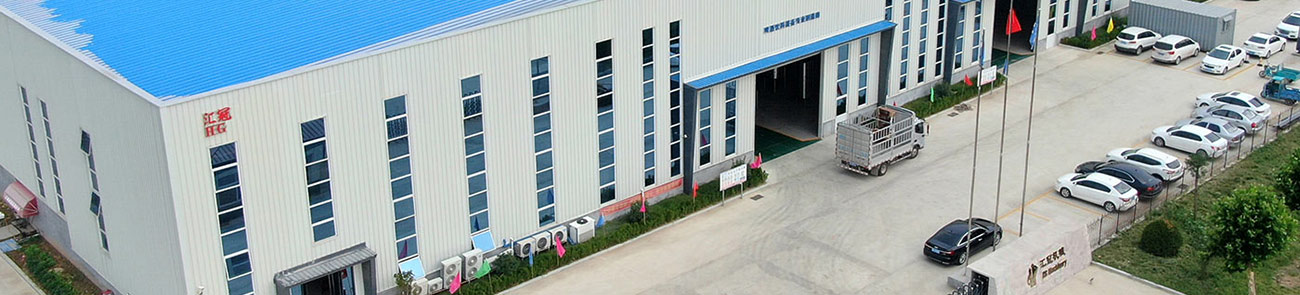
From a manufacturing perspective, HGMC operates a 30,000 square meter production facility equipped with advanced automatic laser welding technology. Its independently developed multilingual control system enhances usability for international clients and supports efficient brewery operations.
In terms of value, HGMC offers high cost-performance solutions. Customers benefit from competitive pricing without sacrificing quality, along with faster delivery times and flexible service options.
HGMC also provides comprehensive support throughout the entire project lifecycle:
- Pre-sales services include equipment selection recommendations, process flow design, layout planning, and detailed cost and profit analysis to help clients make informed decisions.
- During production, customers receive regular updates and progress tracking to ensure transparency.
- After-sales support includes on-site installation and commissioning, free brewing technology training, a three-year warranty on tanks, and 24/7 support from a team of over 100 service professionals.