Jun. 16, 2026
News
Buy Brewery Equipment | 2026 Professional Buying Guide
If you’re ready to buy brewery equipment to launch a commercial craft brewery, upgrade your existing setup, or expand production capacity, you’ve landed on the right guide. Investing in brewing machinery is one of the most impactful decisions for your beer business — it directly shapes product consistency, operational efficiency, long-term profitability, and scalability. With countless models, configurations, and suppliers on the global market, many first-time buyers and seasoned brewers struggle to filter reliable options and avoid costly purchasing mistakes. This comprehensive guide breaks down everything you need to know before you buy brewery equipment, helping you make a cost-effective, future-proof investment aligned with your business goals.
Who Needs to Buy Brewery Equipment?
Brewery equipment purchases are not limited to large industrial breweries. The demand for tailored brewing systems spans diverse users, each with unique equipment requirements. Clarifying your business type and production needs is the first step to targeted purchasing:- Aspiring Craft Brewery Entrepreneurs: Startups launching microbreweries, taproom breweries, or brewpubs need compact, easy-to-operate, full-standard brewing systems to kick off small-batch production and test market feedback.
- Existing Brewery Owners: Established craft brewers looking to scale output, replace outdated machinery, or upgrade brewing precision need high-efficiency, expandable brewery equipment to boost yield and beer quality.
- Hospitality & Beverage Businesses: Restaurants, bars, and hotels aiming to launch on-site craft beer services require space-saving, low-maintenance brewing units to enrich their service offerings and attract customers.
- Educational & Experimental Institutions: Brewing schools and R&D labs need small pilot brewery equipment for teaching, recipe testing, and new beer product development.
Key Factors to Consider Before You Buy Brewery Equipment
Many buyers make the mistake of prioritizing low prices over practicality, only to face frequent malfunctions, unstable beer flavor, limited scalability, and high maintenance costs later. To maximize your return on investment, focus on these core factors when you buy brewery equipment.1. Match Equipment Capacity with Your Production Goals
Production volume is the foundational parameter for equipment selection. Avoid overbuying oversized systems that waste space and capital, or underbuying small units that restrict business growth. For startup microbreweries and brewpubs, 100L, 200L, and 500L brewing systems are the most popular choices, ideal for small-batch, flexible production. For mid-sized commercial breweries, 1000L to 5000L brewhouse systems deliver stable daily output to support regional market supply. Large industrial breweries require fully automated large-scale lines for mass production. Always align equipment capacity with your short-term operational needs and long-term expansion plans.2. Prioritize Food-Grade Materials & Build Quality
Beer brewing demands strict hygiene and corrosion resistance, as substandard materials will contaminate wort and beer, ruining batch consistency and safety. Reliable brewery equipment manufacturers exclusively use 304/316 food-grade stainless steel for all liquid-contact components, which features high temperature resistance, oxidation resistance, and easy cleaning. Inferior iron or ordinary steel equipment is prone to rust and chemical reactions, leading to off-flavors and shortened service life. Durable welding craftsmanship and sealed pipeline design are also essential to prevent leakage and bacterial growth during fermentation and brewing.3. Choose the Right Automation Level
Brewery equipment is divided into semi-automatic and fully automatic models, each suited for different operational scenarios. Semi-automatic systems are cost-effective, easy to operate, and perfect for small startups and brewpubs with flexible brewing schedules, requiring basic manual monitoring and operation. Fully automatic brewing equipment features precise digital temperature control, timing systems, and automated cleaning and fermentation processes, minimizing human error, improving brewing consistency, and reducing long-term labor costs. It is the optimal choice for large-scale breweries pursuing standardized mass production.4. Verify Space Compatibility & Installation Requirements
Before you buy brewery equipment, measure your facility’s floor space, ceiling height, floor load capacity, drainage system, and ventilation conditions. A high-capacity brewhouse system cannot be installed and operated properly if your venue lacks sufficient space or supporting infrastructure. Professional manufacturers can provide customized layout solutions and compact equipment configurations to adapt to limited factory or store space, ensuring smooth installation and daily operation.5. Confirm After-Sales Support & Warranty Services
Brewery equipment is a long-term industrial investment, and reliable after-sales service determines your operational stability. Many low-cost generic devices lack professional technical support, leading to prolonged downtime when faults occur. Trusted suppliers provide complete services including free equipment installation guidance, operational training, regular maintenance, spare parts supply, and long-term warranty. This full lifecycle support helps you resolve operational problems quickly and avoid unnecessary losses.Core Types of Brewery Equipment You Should Invest In
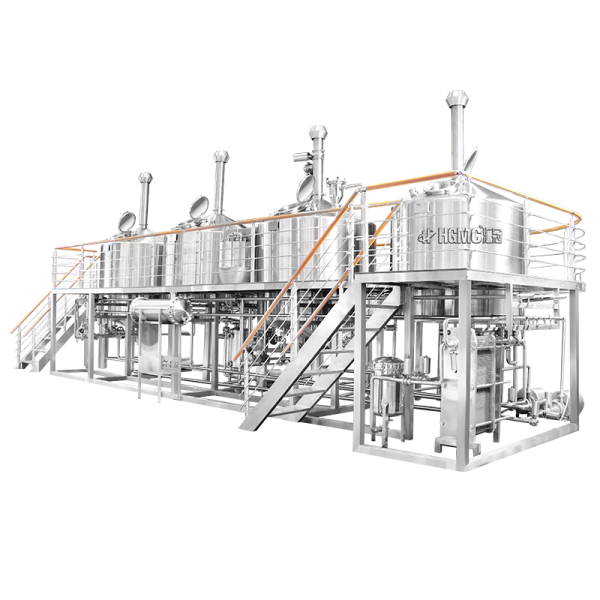
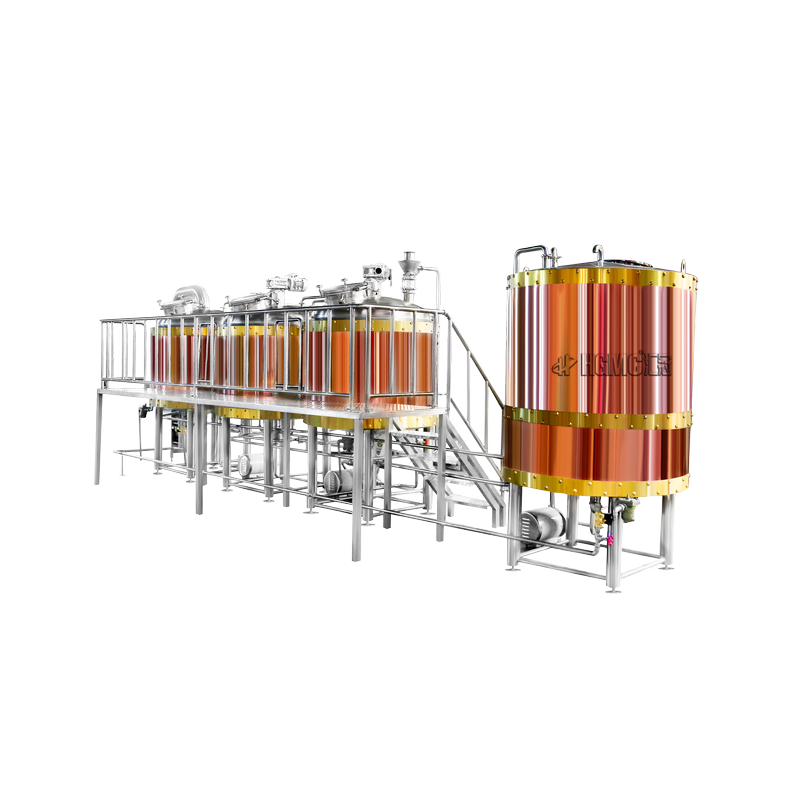
A complete brewing production line consists of multiple interconnected units. When you buy brewery equipment, you can choose a full turnkey system or customized single devices based on your existing setup:- Brewhouse System: The core of beer production, including mash tun, lauter tun, kettle, and whirlpool tank, responsible for mashing, filtration, boiling, and clarification of wort.
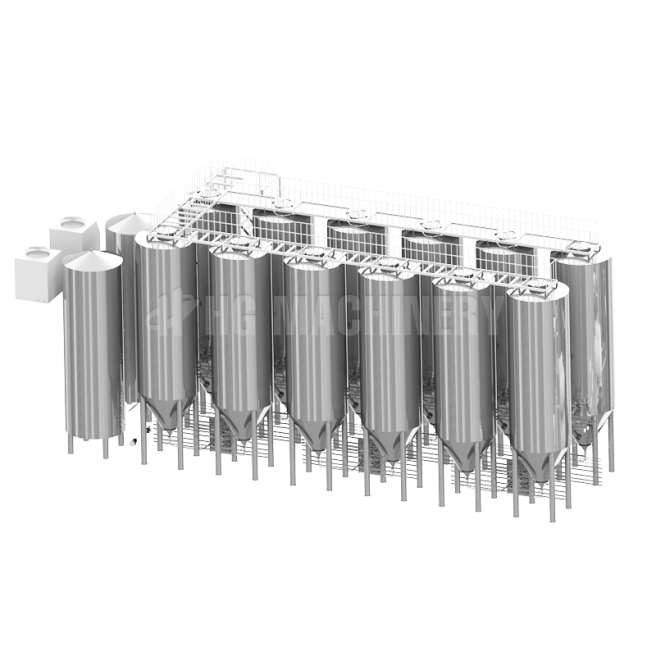
- Fermentation Tanks: Professional stainless steel fermenters with precise temperature and pressure control, used for beer fermentation and maturation to shape unique flavor profiles.
- Cold Liquor Tanks & Cooling Systems: Maintain constant low temperature for brewing water and fermentation environments, ensuring stable brewing processes.
- CIP Cleaning Systems: Automatic cleaning equipment to ensure internal hygiene of pipelines and tanks, avoiding cross-contamination between batches.
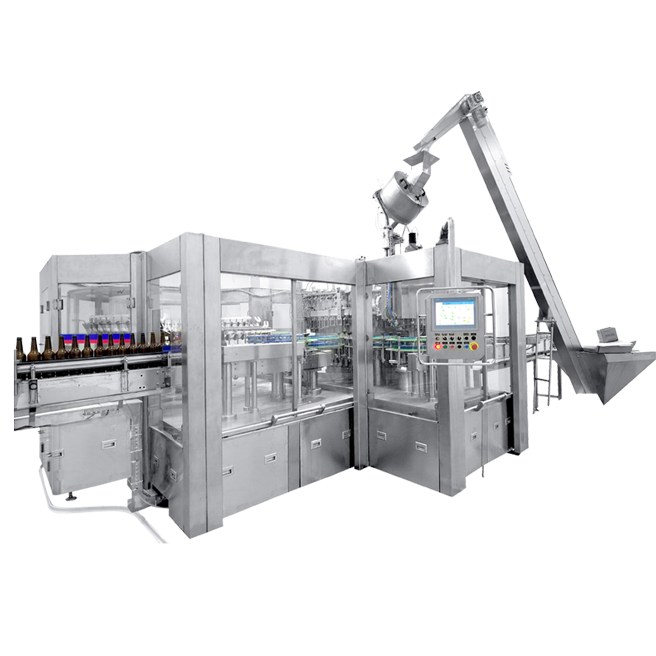
- Packaging Equipment: Including bottle filling, canning, and kegging machines, supporting finished beer packaging and market sales.
Why Buy Brewery Equipment from Professional Manufacturers?
Many buyers tend to purchase second-hand equipment or cheap generic products to cut initial costs, but this often leads to higher hidden risks. Professional brewery equipment manufacturers offer irreplaceable advantages:- Customized Solutions: Tailor equipment capacity, configuration, and automation level to match your budget, space, and production needs, no redundant functions or insufficient performance.
- Strict Quality Control: All equipment undergoes factory testing for pressure resistance, sealing performance, and operational stability, meeting international food safety standards.
- Cost-Effective Long-Term Use: High-quality materials and precise craftsmanship reduce failure rates and maintenance costs, extending equipment service life to 15–20 years.
- One-Stop Service: From scheme design, equipment production, and installation debugging to technical training and after-sales maintenance, full-process support saves your time and energy.
Frequently Asked Questions When You Buy Brewery Equipment
1. How much does it cost to buy a complete set of brewery equipment?
The cost varies greatly based on capacity, automation level, and configuration. Small 100L-500L microbrewery systems are ideal for startups with a moderate budget, while large fully automatic production lines require higher investment. Customized turnkey solutions can adjust functions to fit different budget ranges.2. Is custom brewery equipment worth it?
Absolutely. Standard fixed equipment may not adapt to your venue space, production rhythm, or unique brewing processes. Customized brewery equipment maximizes space utilization, improves production efficiency, and supports personalized beer recipe development, bringing stronger market competitiveness for your brand.3. How long does professional brewery equipment last?
With regular maintenance and standardized operation, high-quality stainless steel brewery equipment can serve 15–20 years. Professional after-sales maintenance further stabilizes equipment performance and delays aging.Final Thoughts
When you decide to buy brewery equipment, it’s crucial to prioritize quality, matching degree, and after-sales service over low upfront prices. A suitable brewing system is the cornerstone of stable beer quality, efficient production, and sustainable business growth. Whether you are a new brewer building your first production line or an existing brand upgrading your facilities, choosing professional, customized, and high-quality brewery equipment will help you stand out in the competitive craft beer market and achieve long-term profitability.If you need tailored brewery equipment solutions, free quotation, or professional brewing scheme design, feel free to contact our team. We provide reliable turnkey brewing systems and full lifecycle support for global brewers.