Jun. 01, 2026
News
Design Without Compromise – Building a Brewhouse That Fits Your Recipe, Not the Other Way Around
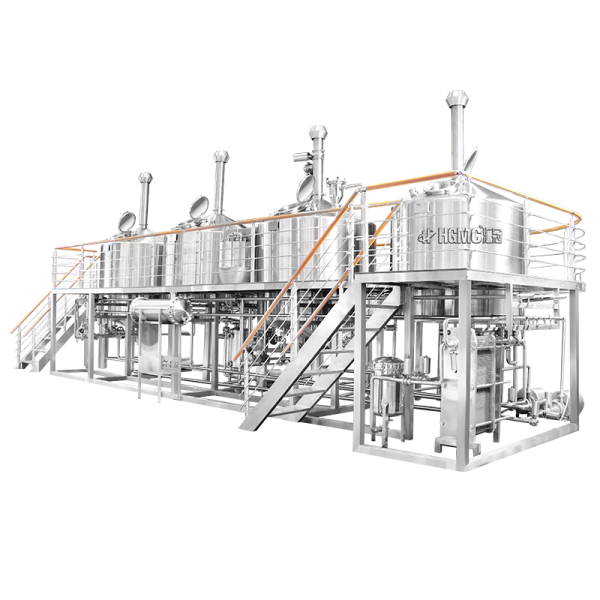
Every brewer remembers the frustration: a perfect recipe scaled up, only to taste thin because the lauter tun geometry forced a faster runoff. Or a beloved stout that develops astringency because the boil kettle’s heating density is too high. Standard equipment forces compromises. A custom-engineered brewhouse removes them.
For the brewmaster, the journey begins with grain bed depth. A wide, shallow lauter tun extracts sugar efficiently but risks channeling. A tall, narrow vessel provides better filtration but slows runoff. The ideal ratio depends on your typical grist load—high adjunct recipes need different hydraulics than all-malt German lagers. A manufacturer that asks for your grain bill before cutting steel is a partner, not just a vendor.
Plant engineers care about access and serviceability. Custom designs can position manways on the operator’s preferred side, add extra sample ports at different heights, or integrate a dedicated dry-hop doser with a sight glass. These details seem small, but they shave minutes off every batch—and hours off every maintenance shift.
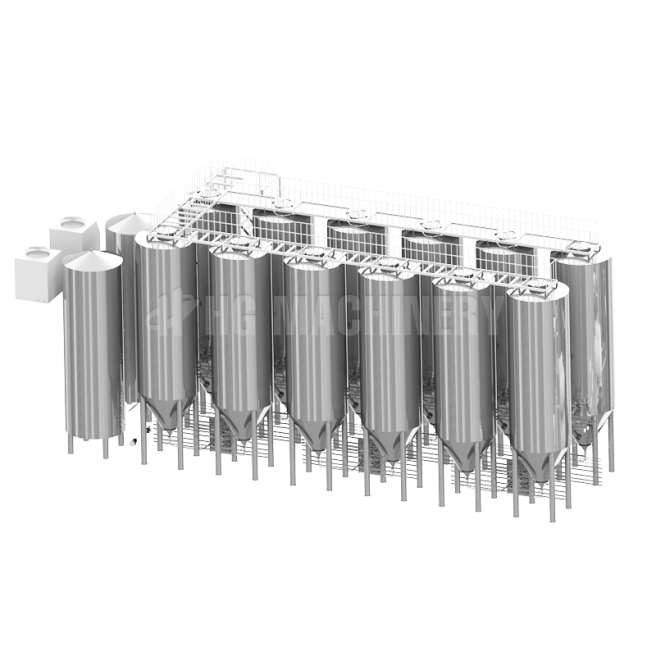
For brewpub owners with challenging floor plans, custom geometry can be a lifesaver. A low-ceiling basement? We can design squat unitanks with wider diameters. A narrow corridor? Side-mounted control panels and removable glycol lines. An outdoor installation? Weather-hardened cabinets and insulated vessel wraps. Standard equipment assumes a perfect warehouse. Your space is unique—your brewhouse should be too.

Consider also the mash filter vs. lauter tun decision. Traditional brewers often stick with a lauter tun because that is what they know. But for high-gravity brewing or high-adjunct recipes (think gluten-free millet or rice lagers), a mash filter achieves up to 98% extract efficiency and cuts lauter time by half. Custom engineering allows you to choose the right technology for your recipe set, not what the catalog happens to stock.
Material choices offer another dimension of customization. For breweries producing sour beers or mixed-fermentation wild ales, upgraded alloys like 316Ti or duplex stainless resist the corrosive effects of low pH. For high-chloride water profiles, electropolishing becomes essential to prevent pitting. These are not upgrades—they are survival tools.
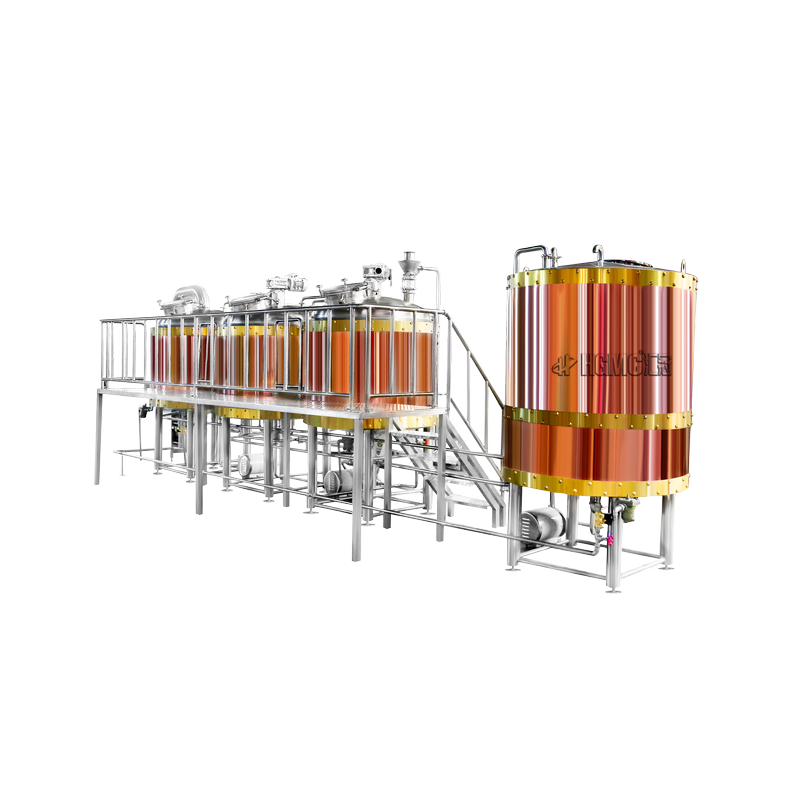
Finally, never underestimate the power of aesthetics. A brewhouse in a public-facing taproom is part of the guest experience. Custom copper cladding, brushed finish panels, and illuminated sight glasses turn your equipment into a showpiece. Guests photograph it. Social media shares it. Your brand benefits from every frame.
Do you have a specific recipe or space challenge that standard equipment cannot solve? Describe your dream brewhouse to us—vessel count, target output, and any unusual requirements. Our design team will reply with a preliminary custom layout sketch.