Jun. 08, 2026
News
The Profitable Small Brewery – Equipment Choices That Maximize Margin Per Square Foot
For the nano brewery owner, brewpub operator, or individual opening a 5‑barrel taproom, every square foot must earn its keep. Space is expensive. Labor is precious. And the equipment you choose either amplifies your margin or erodes it through inefficiency.
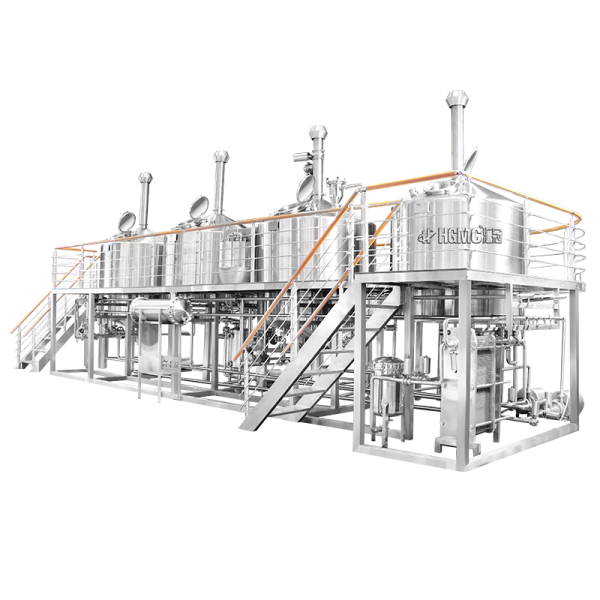
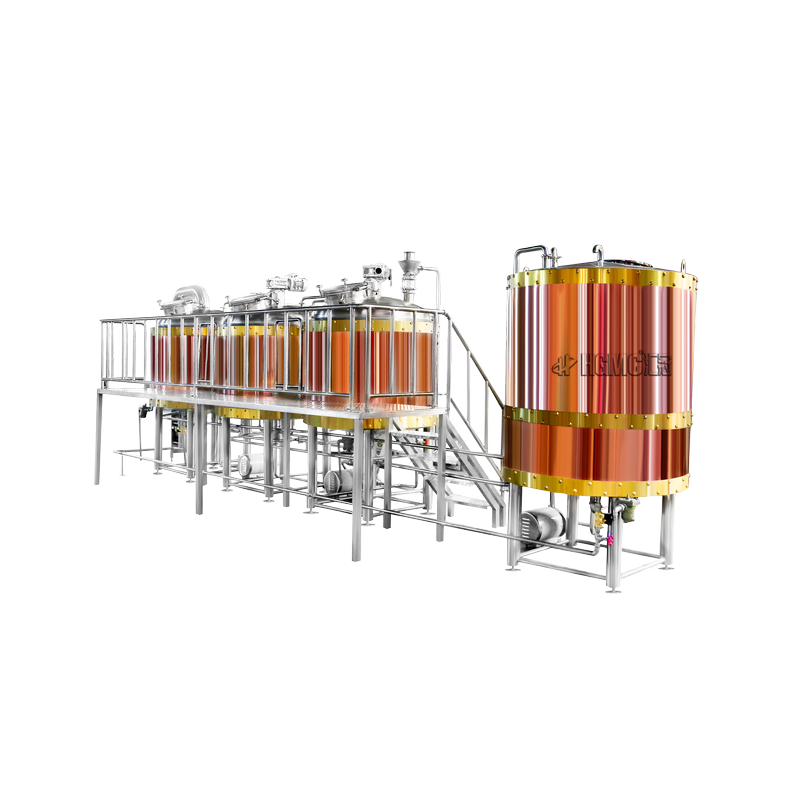
Let’s start with combined systems. A 2‑vessel brewhouse (mash/kettle combo plus lauter tun) occupies roughly 60% of the floor space of a 4‑vessel system yet can still produce 5‑10 hectoliters per batch. The trade‑off is flexibility—you cannot mash and boil simultaneously. But for a brewpub serving 100‑200 seats, that limitation rarely matters. You brew overnight or early morning, and the taproom is open by lunch.
Direct‑fire vs. steam: which is more profitable for small scale? Direct‑fire kettles have lower upfront cost and simpler maintenance. However, they create hot spots that can scorch wort. Steam jacketed kettles cost more initially but offer even heating and faster ramp times. For a production schedule of four batches per week, steam saves about 90 minutes weekly—time that can be used for cleaning or recipe development. Over a year, that reclaimed time pays for the upgrade.
Glycol chilling is another profit lever. Many small breweries oversize their chiller, wasting electricity. A properly sized chiller with inverter compressor matches cooling load to fermentation demand. Some compact glycol units are now self‑contained and mount directly on a unibody frame with the fermenters, eliminating long piping runs and heat gain. Installation costs drop, and energy waste disappears.

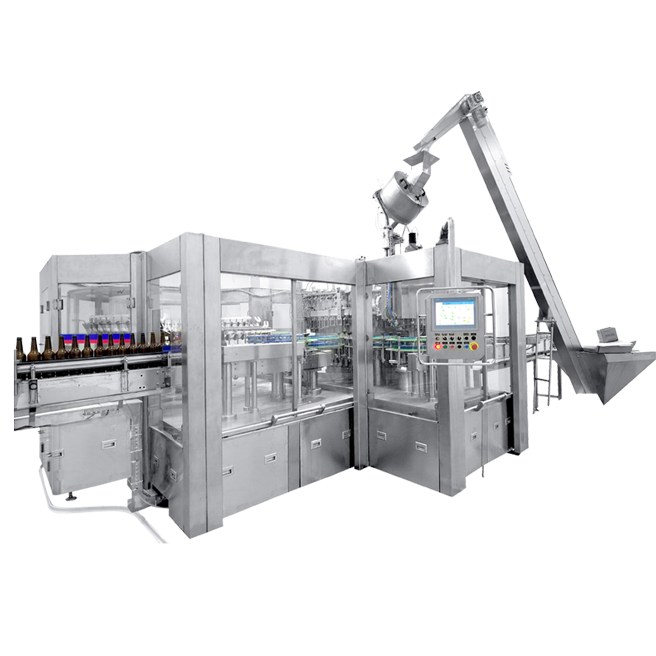
For the individual brewery owner, packaging equipment is often an afterthought. But a keg washer that cleans two kegs at once and purges with CO₂ costs less than $5,000 and pays for itself in keg deposit savings and reduced oxidation complaints. Similarly, a semi‑automatic can filler for 500 cans per hour may be all a taproom needs for crowlers and limited releases. Avoid the temptation of a full bottling line until you are distributing regionally.
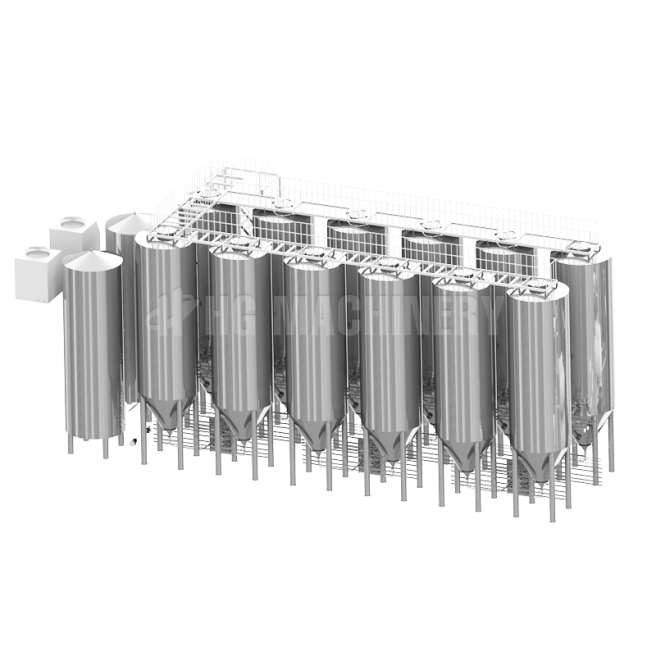
Finally, think about modular growth. Choose a brewhouse that accepts additional fermenters on the same glycol loop and the same electrical panel. When your taproom grows from four to eight taps, you simply order two more unitanks and plug them in. No new chiller. No new wiring. Your initial investment continues to work.
Tell us your planned seating capacity, target beers per week, and available floor area. We will send a scaled equipment list with three layout options—from entry‑level to premium—all optimized for margin per square foot.