Sep. 15, 2026
News
What Is the Price of a Whole Line Brewery System? A Complete Cost Guide
When planning a commercial brewery, the price of a whole line brewery system is one of the first investment questions to consider. However, there is no single price that applies to every project. The final cost depends on production capacity, brewhouse configuration, fermentation capacity, filling requirements, automation level, and the overall project scope.
A more practical approach is to define the required production flow first and then build the equipment configuration around it. HGMC provides a range of commercial brewery equipment in different capacities and vessel configurations, allowing the brewing system to be matched to the required production target.
What Does a Whole Line Brewery System Include?
A whole line brewery system connects the major stages of beer production so that brewing, fermentation, storage, filling, and packaging can work together as one production flow.Brewing equipment
The brewhouse determines the batch size and is one of the main factors affecting the overall system configuration.
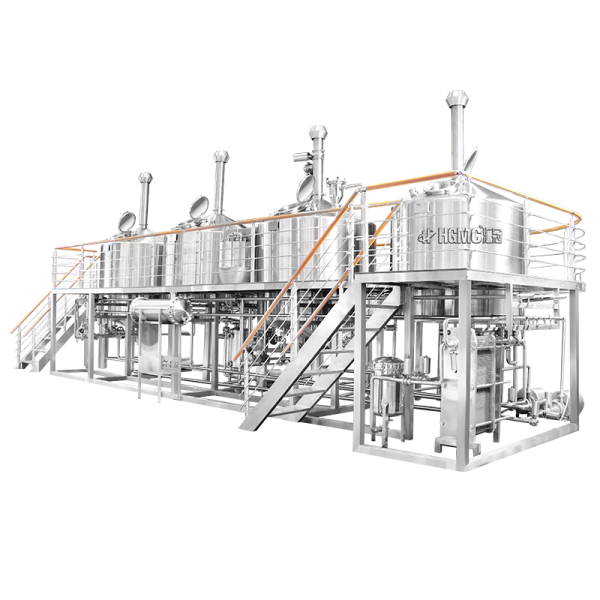
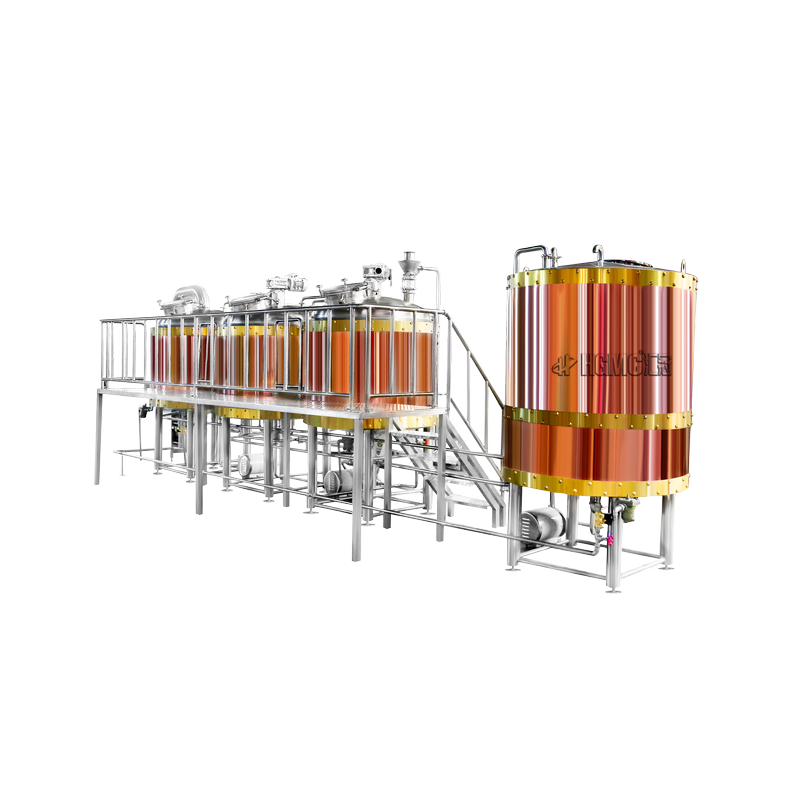
HGMC offers 2-vessel, 3-vessel, and 4-vessel brewing systems. Available commercial configurations include 500L, 1000L, 2000L, 2500L, 3000L, 5000L, 10000L, and 20000L systems.
The appropriate configuration depends on the target output, brewing frequency, available production space, and future expansion requirements.
Fermentation and bright beer tanks
The brewhouse needs to be matched with sufficient fermentation capacity. Tank size and quantity should support the planned brewing schedule and fermentation cycle.
HGMC provides fermentation tanks in multiple capacities, while bright beer tanks can be configured according to production and packaging requirements. This allows the cellar to be planned together with the brewing system rather than treated as a separate part of the project.
Filling and packaging
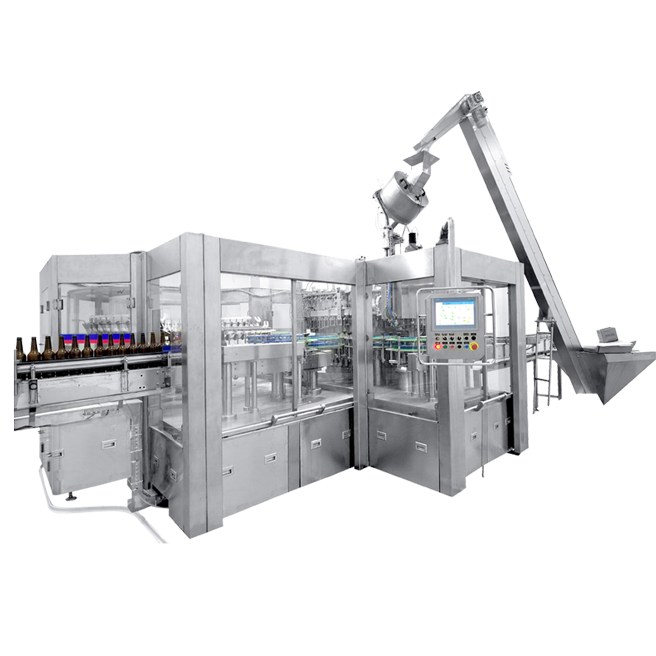
Packaging capacity is another important part of a complete brewery system. Depending on the product format, the filling line may include bottle filling, canning, or kegging equipment.
The available brewery equipment range includes bottling machines from 1000 BPH to 10000 BPH and canning machines from 300 CPH to 6000 CPH.
What Determines the Price of a Whole Line Brewery System?
Once the equipment scope is clear, the next step is understanding what drives the final system cost.Production capacity
Production capacity has a direct effect on equipment size and quantity. A 1000L brewing system requires a different configuration from a 5000L or 10000L system.
The important figure is not simply the volume of one brewhouse vessel. Brewing, fermentation, storage, and packaging capacity all need to support the intended production target.
Brewhouse configuration
The number of vessels also affects the system design.
HGMC offers 2-vessel, 3-vessel, and 4-vessel configurations. The best choice depends on the required brewing frequency, process arrangement, production schedule, and available space.
Fermentation capacity
Fermentation capacity needs to keep pace with brewing capacity.
If the brewhouse is sized for higher output but the fermentation cellar is too small, the brewery may not be able to make full use of its brewing capacity. Tank quantity, tank volume, fermentation time, and brewing frequency therefore need to be considered together.
Packaging requirements
Bottle, can, and keg packaging require different equipment configurations.
The required filling speed should also be considered against the planned beer output. This helps prevent packaging from becoming a bottleneck at the end of the production line.
Brewery Capacity and Its Impact on System Cost
Capacity planning becomes more important when individual equipment is combined into a complete production system.500L and 1000L configurations
HGMC offers 500L and 1000L commercial brewing configurations, including 1000L 2-vessel, 3-vessel, and 4-vessel systems.
These configurations provide flexibility for commercial projects with different production schedules and equipment requirements.
2000L and larger systems
For larger production requirements, available brewing equipment includes 2000L, 2500L, 3000L, 5000L, 10000L, and 20000L systems.
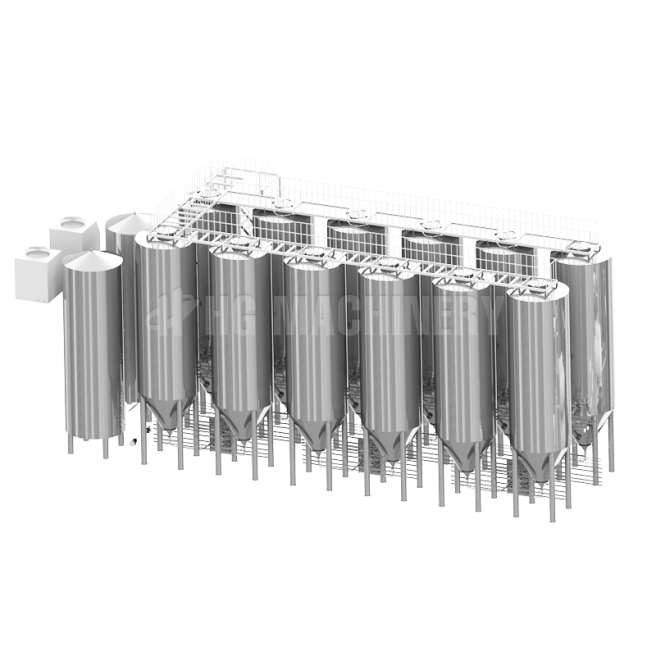
Fermentation capacity can also be scaled independently, with available fermentation tanks extending to 100000L.
This allows the brewing and cellar sections to be designed according to the actual production target instead of applying one fixed configuration to every project.
Planning for future expansion
A brewery may begin with a specific production target and increase output later.
For this reason, the initial layout should consider future fermentation tanks, packaging capacity, and additional brewing requirements. Planning these factors early can make future expansion easier and reduce unnecessary changes to the production layout.
Which Brewery Equipment Needs to Be Configured Together?
A complete brewery project works best when the major equipment sections are planned as one connected system.Brewhouse and fermentation
The brewing batch size should correspond with available fermentation capacity.
The number of fermentation tanks can then be determined according to brewing frequency, fermentation time, and the planned production schedule.
Fermentation and bright beer storage
Once fermentation is complete, beer may move into bright beer tanks before packaging.
The tank configuration should provide enough flexibility between fermentation and filling without creating unnecessary storage limitations.
Filling and packaging
The packaging section should match the production capacity of the upstream equipment.
HGMC provides bottle, can, and keg filling solutions, making it possible to consider packaging requirements together with brewing and fermentation when developing the complete system.
A Turnkey Brewery System for More Efficient Project Planning
For a complete brewery project, equipment selection is only one part of the work. Process design, facility layout, manufacturing, installation, commissioning, and technical support also need to be coordinated.One coordinated production solution
HGMC can provide integrated brewing solutions covering the main stages of commercial beer production.
Its turnkey brewery solutions can be developed around the customer's production capacity, process requirements, equipment configuration, and packaging needs.
The available configurations include 1000L 2-vessel, 1000L 3-vessel, 1000L 4-vessel, 2000L 3-vessel, and 2000L 4-vessel brewing systems.
Engineering before manufacturing
Before manufacturing begins, HGMC can recommend equipment models according to the customer's requirements and provide:- Process flow diagrams
- Facility layout drawings
- Equipment configuration
- Cost analysis
- Benefit analysis
- Customized equipment solutions
Support during and after delivery
During manufacturing, HGMC can track the equipment production progress.
After delivery, support includes installation and commissioning, brewing technology training, and technical assistance. This gives the project a continuous service process from initial planning through equipment operation.
What Should You Check Before Choosing a Brewery System?
A brewery quotation should be evaluated according to the complete equipment scope and the production requirements.Check the production configuration
The quotation should clearly identify the brewhouse capacity, vessel configuration, fermentation tanks, bright beer tanks, filling equipment, and supporting systems.
This makes it easier to understand what the proposed system can actually produce.
Check the packaging capacity
Packaging should be matched with brewing and fermentation capacity.
If the brewery plans to produce beer in cans, bottles, or kegs, the corresponding filling equipment and production speed should be included in the overall project plan.
Check project support
Installation, commissioning, brewing technology training, and after-sales support can affect how quickly a brewery moves from equipment delivery to commercial production.
For a turnkey project, these services should be considered alongside the equipment configuration.
Why Choose HGMC for a Complete Brewery System?
Once the technical requirements are defined, manufacturing capability and project support become important parts of the purchasing decision.More than 20 years of experience
HGMC has more than 20 years of experience in brewing equipment and serves customers in more than 120 countries, with more than 5000 customers worldwide.
This international experience supports projects with different production capacities, equipment configurations, and market requirements.
Integrated production capabilities
HGMC can coordinate brewing, fermentation, filling, and packaging equipment as part of a complete brewery project.
Its product range covers brewing systems, fermentation tanks, bright beer tanks, bottling machines, canning machines, and kegging equipment.
This approach allows the equipment configuration to be developed around the complete production process instead of focusing on the brewhouse alone.
Manufacturing and control technology
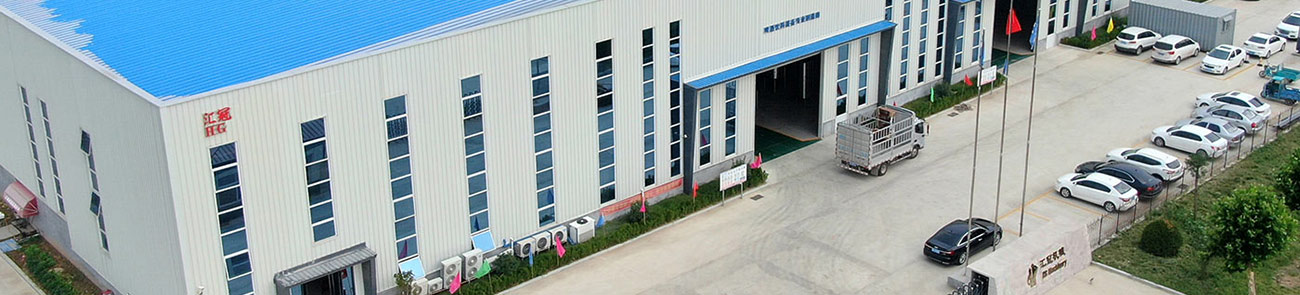
HGMC operates a production base of more than 30000 m² and uses fully automatic laser welding technology.
Its equipment development also includes a multilingual central control system, supporting different operating environments and international brewery projects.
International certifications
HGMC provides equipment for international markets with certifications and qualifications including CE, PED, UL, EAC, SGS, and ISO-related standards, depending on the product and destination market.
These requirements can be confirmed according to the specific equipment configuration and project location.
Service from planning to operation
HGMC's pre-sales service includes equipment model recommendations, process flow diagrams, facility layout design, cost analysis, benefit analysis, and customized equipment solutions.
During production, equipment progress can be tracked. After delivery, HGMC provides installation and commissioning, brewing technology training, and after-sales technical support.
More than 100 after-sales service personnel support customers with 7/24 service, while tank warranty coverage is provided for three years.
How Can You Get an Accurate Brewery System Price?
A whole line brewery system does not have one fixed price because each project requires a different equipment configuration.Prepare the key project information
Before requesting a quotation, it is useful to provide:- Target production capacity
- Brewhouse batch size
- Required brewing frequency
- Beer styles
- Fermentation requirements
- Bottle, can, or keg packaging
- Automation requirements
- Available production space
- Expected delivery schedule
- Future expansion plans
Request a project-specific quotation
HGMC can recommend suitable equipment models and develop the corresponding process flow and layout according to the project requirements.
If you are planning a new commercial brewery or expanding an existing production line, contact HGMC for a brewery system quotation with your target capacity, packaging format, and project requirements.
The final price should be based on the complete equipment configuration rather than a general estimate. By matching brewing capacity, fermentation volume, packaging requirements, automation, and project services, HGMC can develop a whole line brewery system around the actual production needs of your brewery.