Sep. 03, 2026
News
How Does Stainless Steel 304 Affect Brewing Equipment Cost and Durability?
Stainless steel 304 is often one of the first specifications brewery investors compare because it influences both the equipment quotation and the system’s long-term operating value. For commercial brewing projects, the better question is not simply, “Is 304 more expensive?” but “What level of durability, cleanability, and lifecycle value does the selected material support?”
A brewery operates with heat, moisture, wort, beer, carbon dioxide, cleaning cycles, pressure-bearing vessels, and frequent production activity. The material selected for the brewhouse and tank system should therefore be considered alongside fabrication quality, vessel design, sanitation practices, utilities, and planned production capacity. A properly specified commercial brewery equipment system should support the brewing process as a complete production operation rather than function as a collection of individual vessels.
Is 304 Stainless Steel Worth the Brewery Equipment Investment?
For many brewery projects, 304 stainless steel offers a practical balance between equipment investment and long-term durability. It is widely used across food and beverage processing because it provides corrosion resistance, mechanical strength, and a surface that can be cleaned and maintained through repeated production cycles.However, “304 stainless steel” should not be treated as a complete quality specification. Two equipment proposals can both state 304 stainless steel while differing substantially in tank thickness, welding quality, polishing, jacket design, insulation, valves, fittings, controls, and engineering support. Those factors can change the actual value of the system long after installation.
When evaluating brewery equipment cost, buyers should look beyond the initial quotation and assess the material grade used in product-contact areas and key structural components, vessel thickness and pressure-related design requirements, interior welding and finishing quality, cooling-jacket and insulation configuration, CIP and cleaning accessibility, included valves, pumps, piping, automation scope, installation, commissioning, training, warranty, and service support.
This approach helps a brewery avoid a false economy: selecting equipment based only on the lowest initial quotation, then facing higher maintenance requirements, sanitation difficulties, or production limitations later.
What Makes 304 Stainless Steel a Practical Choice for Brewery Equipment?
The main value of 304 stainless steel in brewery equipment comes from its ability to support a clean and durable production environment. Brewing systems need to tolerate hot-process conditions, repeated cleaning, and contact with wort and beer while remaining suitable for efficient sanitation routines.A well-designed stainless-steel system also supports a smoother operational workflow. Brewing teams need vessels that are accessible for cleaning, practical to inspect, and integrated with the rest of the process—from milling and brewhouse operations through fermentation, conditioning, and packaging.
For brewery investors, this makes 304 a cost-and-durability decision rather than merely a material line item. A system designed for regular production can help reduce avoidable maintenance work, simplify cleaning procedures, and support consistent use across multiple brewing cycles.
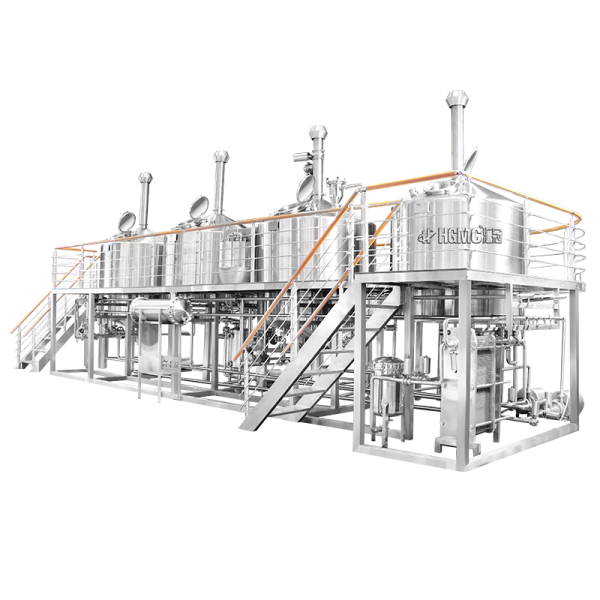
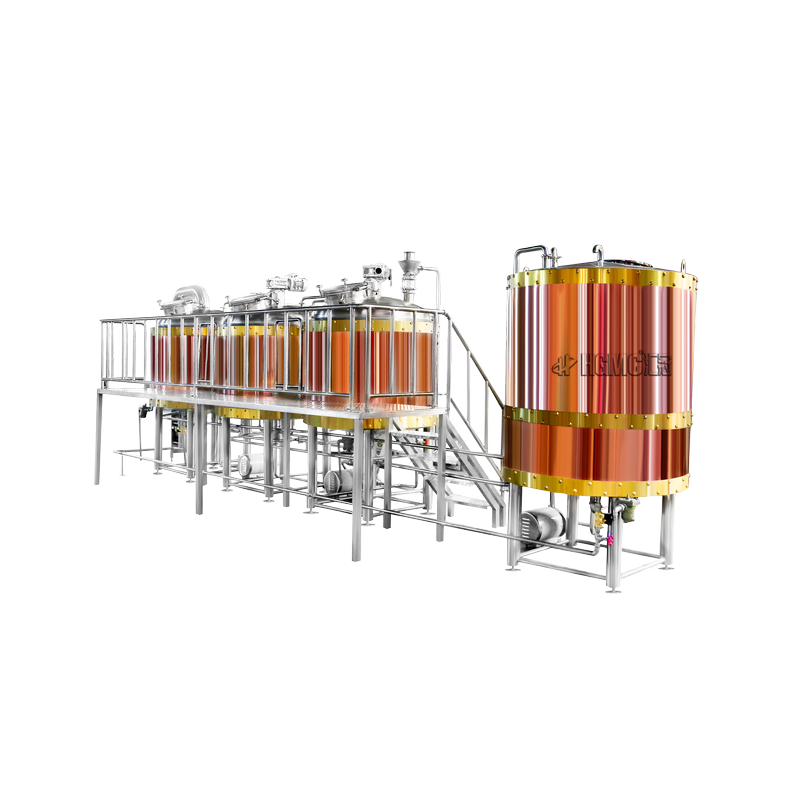
Material choice becomes especially important in the brewhouse, where vessels handle mashing, lautering, boiling, whirlpooling, and heat transfer. HGMC offers brewhouse configurations across different vessel arrangements and capacity requirements, allowing project specifications to be aligned with the brewery’s production plan rather than selected from a one-size-fits-all format.

Which Brewery Components Benefit Most From 304 Stainless Steel?
304 stainless steel is relevant across much of a brewery’s process equipment, but its value should be considered according to the function of each component.How Does 304 Support Brewhouse Vessels and Hot-Side Equipment?
The brewhouse is central to the production process. Mash tuns, lauter tuns, kettles, whirlpools, hot liquor tanks, process piping, and fittings must work together under demanding process conditions. Material selection should be reviewed with vessel arrangement, heating method, automation level, and planned batch frequency.A brewery planning multiple recipes or future production expansion may also need a system design that supports flexible operation. The material specification should therefore fit the overall process concept—not be separated from capacity, vessel count, floor layout, or utility planning.
Why Is Stainless Steel Important for Fermentation Vessels?
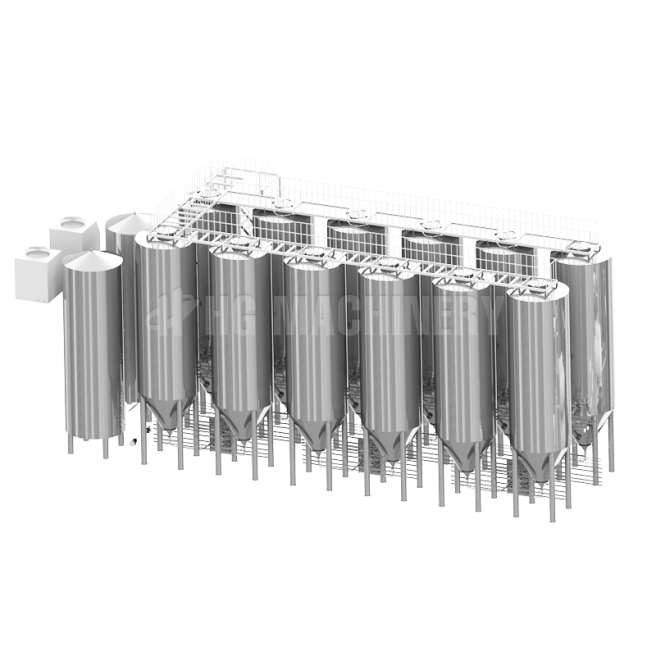
Fermentation vessels require a design that supports temperature management, pressure-related operating conditions, cleaning access, and reliable connections to the rest of the cellar. Stainless construction is particularly important because fermenters are used repeatedly and sit at the center of production scheduling.HGMC’s fermentation tanks are available in capacities from 300L to 100,000L, enabling breweries to match tank volume and cellar configuration to their batch size, annual output targets, and expansion strategy. Selecting tank capacity correctly can be as important to long-term value as selecting the material itself.

Why Should Piping, Valves, and Connections Be Reviewed Together?
A brewery should also evaluate the components surrounding the major vessels. Piping, valves, fittings, pumps, cleaning connections, and controls influence cleaning efficiency, maintenance access, process consistency, and operational reliability. A durable tank cannot compensate for poorly coordinated connections or an incomplete process design.What Determines the Real Durability of a 304 Brewery System?
The durability of brewery equipment depends on the combined quality of materials, design, production methods, installation, and operation. Stainless steel grade matters, but it is only one part of the decision.How Do Welding and Fabrication Affect Service Life?
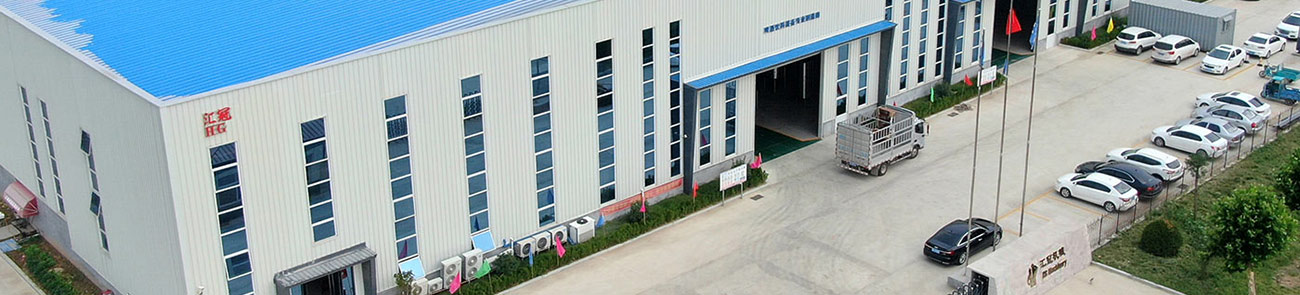
Weld quality is especially important in brewery vessels because weld areas influence cleanability, structural integrity, and long-term maintenance requirements. Inconsistent welding or poorly finished internal surfaces can create areas that are harder to inspect and clean.HGMC applies fully automatic laser welding technology in beer equipment production and operates a manufacturing base of more than 30,000 square meters with more than 50 sets of automated production equipment. These production capabilities support consistent fabrication across complete brewery projects.
Why Do Surface Finish and Cleanability Matter?
A brewery needs a practical sanitation workflow. Interior surface condition, fittings, valve arrangement, and cleaning access affect how easily the operation can carry out routine cleaning and process maintenance. Smooth, well-finished contact surfaces help support efficient cleaning practices, while thoughtful tank and pipeline design can reduce unnecessary operational complexity.How Do Operating Conditions Change the Durability Equation?
The working environment should always be evaluated before finalizing a material specification. Water chemistry, chloride exposure, cleaning agents, storage conditions, and maintenance procedures can all affect stainless-steel performance. In normal brewing conditions, 304 is commonly selected as a cost-effective material, while a higher-corrosion-resistance option can be reviewed where chloride exposure, aggressive chemicals, or more demanding operating conditions are expected.This does not mean every brewery needs to upgrade every vessel to a higher-grade stainless steel. It means the equipment specification should match the project’s actual environment, cleaning regime, and operating requirements.
When Should a Brewery Consider 316 Instead of 304?
304 stainless steel is commonly selected for standard brewery applications because it provides a strong cost-to-performance balance. A higher-corrosion-resistance option may be worth reviewing when a brewery faces high-chloride water conditions, coastal or saline operating environments, particularly aggressive cleaning chemicals, specialized process areas with unusual chemical exposure, or project requirements that specify a different material standard.The right decision is often not a blanket “304 versus 316” choice for every component. A more practical approach is to assess the brewery’s process conditions and identify whether specific vessels, piping sections, fittings, or critical zones require a different material specification.
This keeps the equipment investment focused. It avoids unnecessary upgrades while ensuring that the selected configuration supports the brewery’s actual durability and hygiene requirements.
How Does 304 Affect Long-Term Brewery Ownership Cost?
A brewery’s total ownership cost includes much more than the original equipment quotation. Material selection affects the initial equipment investment, but other decisions can have a larger impact on long-term value.Initial investment is shaped by material grade, vessel thickness, fabrication, components, and automation. Cleaning and maintenance requirements are affected by tank finish, weld quality, access, valves, and pipe routing. Production reliability depends on how well the system matches the brewery’s operating needs, while expansion readiness depends on whether the process design can accommodate future output growth.
Project coordination also matters. A coordinated supply scope can simplify communication across brewing, fermentation, filling, and packaging stages. Installation, training, commissioning, warranty, and service response can further affect the practical value of equipment throughout its working life.
The right brewery equipment investment is not necessarily the one with the lowest initial quotation. It is a system that meets production requirements, can be operated and maintained efficiently, and has a clear support path after installation.
How Can HGMC Help Specify a Durable Brewery Project?
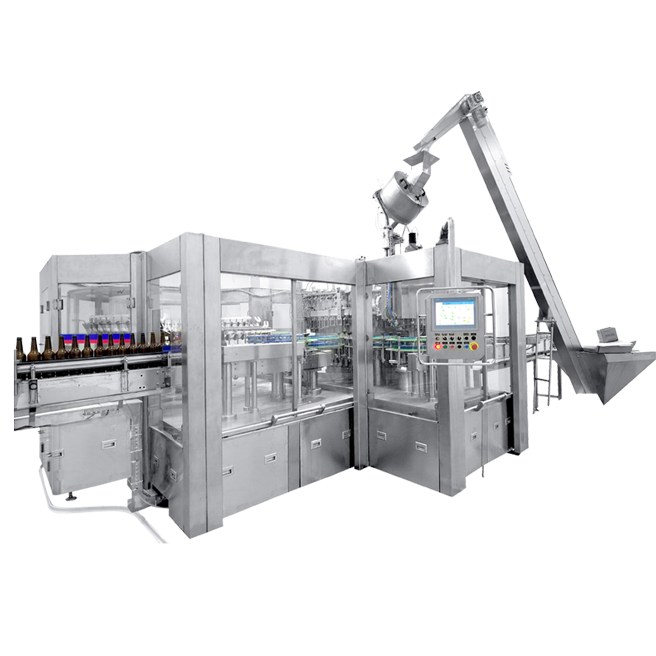
Choosing stainless steel 304 is only one part of building a reliable brewery. Tank configuration, vessel thickness, welding quality, cooling design, process layout, and expected production volume should also be reviewed together.HGMC supplies commercial brewery equipment for projects ranging from brewhouse systems to fermentation and filling configurations. With automated production equipment and fully automatic laser welding technology, HGMC can help breweries develop equipment specifications that balance durability, process requirements, and project budget.
Before production, the HGMC team can support equipment selection, process-flow planning, and layout design based on the brewery’s capacity and operating needs. For a tailored configuration and current quotation, contact HGMC with your planned output, brewhouse requirements, tank quantities, and utility conditions.