Aug. 10, 2026
News
What Commercial Microbrewery Equipment Do You Need?
What commercial microbrewery equipment is essential for your startup?
Microbreweries have become an important part of the modern beer landscape. They allow brewers to develop distinctive styles, connect with local communities, and create strong brand stories. To turn your microbrewery concept into a functioning business, you need commercial microbrewery equipment that is built for professional use, not hobby-level trial batches.HG Beer Equipment supplies integrated systems for microbreweries, combining brewhouse, fermentation, cooling, cleaning, and optional packaging into coherent processes. We help brewers understand what equipment they really need to start brewing and how much their brewery equipment investment is likely to be.
How much does commercial microbrewery equipment cost?
Microbrewery equipment costs depend on your production targets and your preferred brewing style. The main cost drivers are:- Brewhouse size and configuration – typical microbrewery brewhouses range from several hundred litres to a few thousand litres per batch.
- Fermentation and conditioning capacity – enough tanks to support your beer portfolio and expected demand.
- Automation level – from manual systems suitable for hands-on brewers to semi-automatic or fully automated solutions.
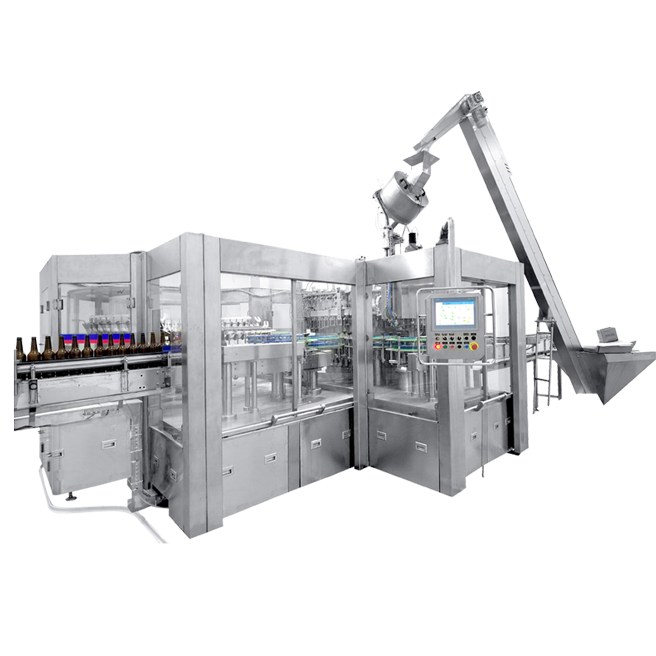
- Packaging and cold storage – equipment for keg, bottle, or can filling, plus cold rooms or tanks for storage.
Which commercial microbrewery equipment is critical?
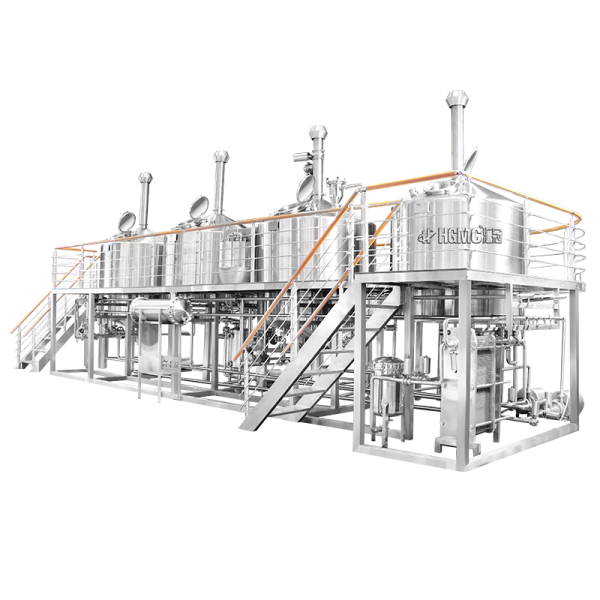
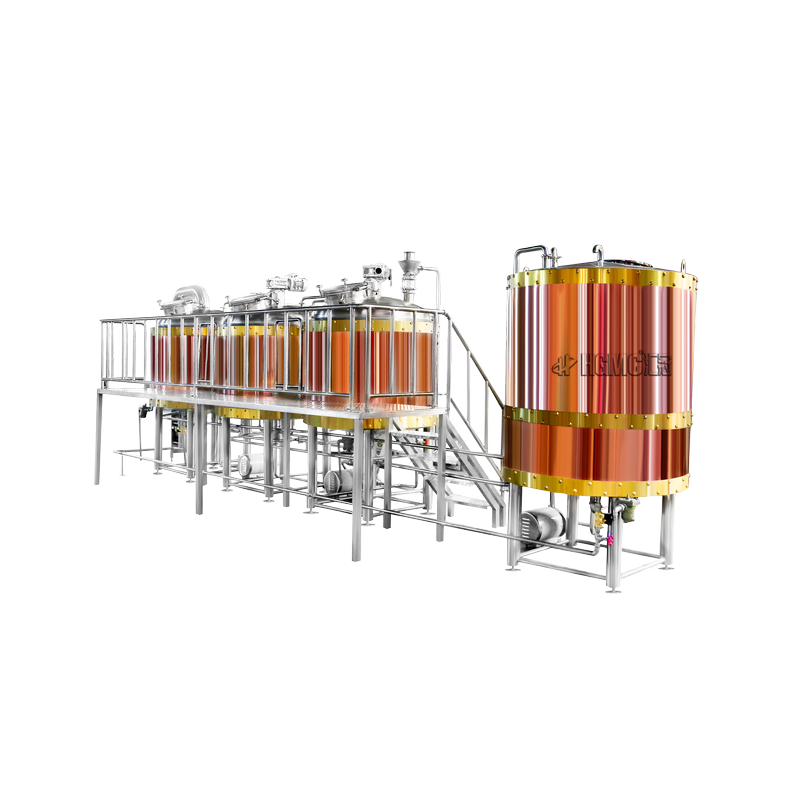
To operate as a commercial microbrewery, you need a complete process chain that delivers safe, consistent beer. Critical components include:- Brewhouse system – mash, lauter, kettle, and whirlpool functions integrated into one system, with sanitary pumps and piping.
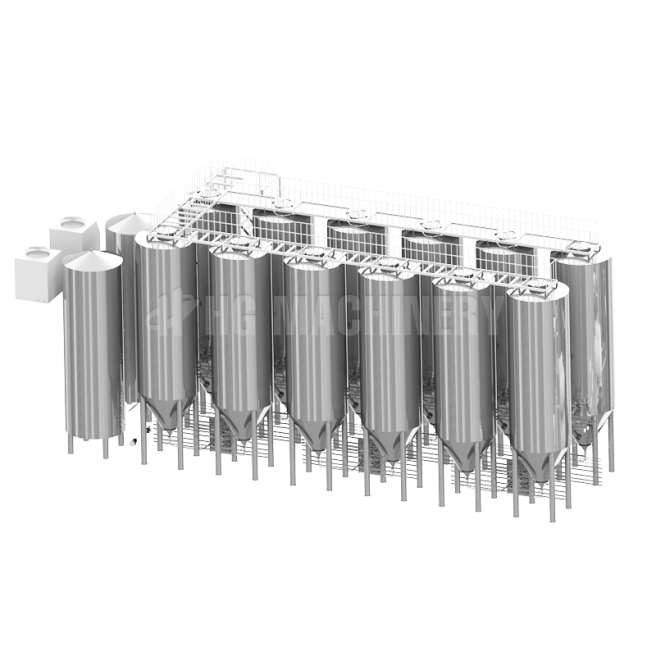
- Fermentation tanks – conical stainless steel tanks that suit your batch size and production cycle.
- Bright beer tanks or unitanks – vessels dedicated to maturation, carbonation, and clarification of finished beer.
- Glycol chilling system – chilling units and loops that maintain fermentation and storage temperatures.
- CIP system – cleaning-in-place equipment that supports reliable hygiene and protects product safety.
- Control panels – manual or automated control systems that manage temperature, pumps, and valves.
How should you plan microbrewery layout and capacity?
A well-planned layout makes your microbrewery comfortable to work in and easier to expand. Layout planning includes:- Defining annual output – deciding how much beer you expect to produce and sell.
- Mapping production flow – from raw materials storage to brewhouse, fermentation, conditioning, and packaging.
- Allocating space for customer areas – if you operate a taproom, your equipment placement should support safe and engaging visitor routes.
- Reserving future capacity – leaving room for additional tanks or equipment when your microbrewery grows.
Why partner with HG for commercial microbrewery equipment?
Investing in commercial microbrewery equipment is a major step. HG aims to make this step clear and manageable by offering:- Professional focus – we specialize in brewery equipment for beer production, not home-scale kits.
- Custom configurations – systems designed around your brewing concept, capacity goals, and budget.
- Turnkey services – assistance from project design and manufacturing to installation, commissioning, and training.
- Reliable after-sales support – long-term service and parts supply through our Support and Contact pages.