Apr. 27, 2026
News
How Flexible, Expandable Equipment Gives Brewpubs, Taprooms, and Small Producers the Ultimate Competitive Edge
The craft beer market has never been more dynamic. One year, hazy IPAs dominate. The next, cold IPAs, non-alcoholic brews, or fruit sours take the spotlight. For a brewpub owner, a small craft brewery, or an entrepreneur opening their first beer bar with on-site production, the risk is real: you invest in equipment today, but will it still be right for the trend tomorrow?
The smart answer is modular design.
Why rigid brewhouses are obsolete
Conventional systems lock you into a fixed capacity and a fixed process. To add a new style? You may need a separate mash vessel. To double production? You sell your tanks at a loss and buy larger ones. To experiment with barrel-aged or mixed-fermentation projects? Your standard kit may not allow it.
Modular equipment turns these problems into opportunities.
Build exactly what you need now – and no more
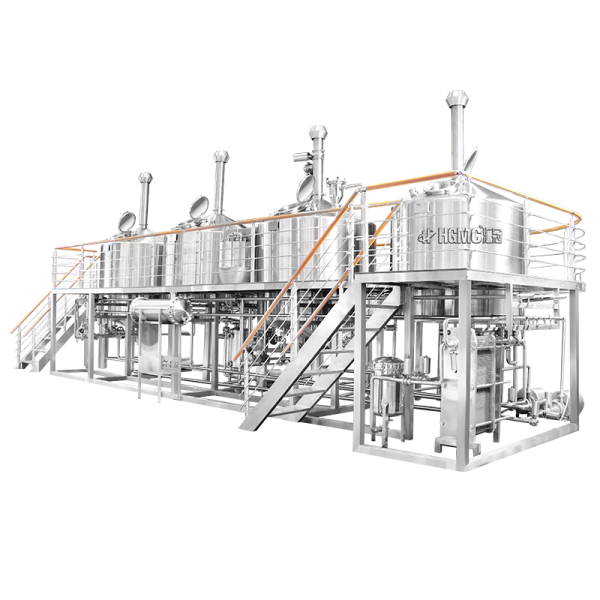
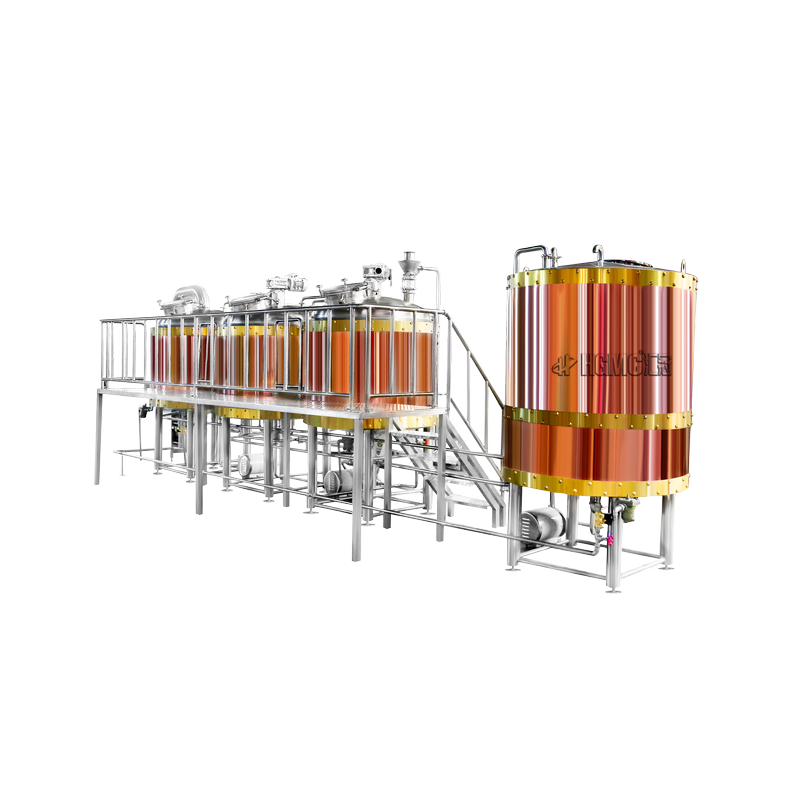
Our approach starts with a core brewhouse frame: a versatile 2-vessel or 3-vessel system sized for your current output. But every port, every connection, and every control interface follows an open standard. Need to add a second whirlpool for high-hop-rate beers? It bolts on. Want to integrate a dedicated sour beer tank with separate transfer lines? Plug it in. Planning to grow from 500 to 1,500 hectoliters annually? We design skid-mounted expansion modules that slot into place during a single weekend shutdown.
For the individual opening a brewpub inside a repurposed warehouse in Berlin or a taproom in Austin, this flexibility is a survival tool. You start small, prove your concept, and expand only when demand forces you to—without scrapping your original investment.
Adaptable for alcoholic and non-alcoholic production
One of the fastest-growing segments today is low- and no-alcohol beer. Producing it requires precise de-alcoholization or arrested fermentation capabilities. Our modular brewhouse supports both: simply add a vacuum distillation module or connect a chilled fermentation bypass loop. The same core vessels handle both standard and specialty runs, protecting you from category shifts.
Designed for the brewing engineer who loves control
Engineers appreciate that our modular systems keep mechanical complexity low but configuration flexibility high. Using standardized sanitary fittings and unified PLC programming, your team can reconfigure flow paths, add inline carbonation, or integrate a centrifuge without rewriting entire SOPs. This reduces downtime and empowers your technical staff to innovate.

From brewpub to regional player – a single platform
We have watched our clients grow from a 5-hectoliter brewpub into a 30-hectoliter regional facility, using the same modular brewhouse architecture. That is not luck. It is intentional design: vessels with removable extensions, common gasket sizes, and scalable chilling units that accept additional compressors.
Your brewery should evolve with you
Do not let rigid equipment dictate your future. Whether you are drawing your first business plan for a nano-brewery or retrofitting an existing brewpub, our modular systems give you the freedom to pivot, experiment, and grow.
→ Tell us your dream capacity today – we will show you a modular roadmap to get there without wasted investment.
These three articles cover distinct buyer motivations (consistency, profitability/cost-savings, and flexibility/future-proofing). Each includes natural keyword integration, professional tone, and clear but non-aggressive inquiry prompts. You can publish them as separate blog posts, link them internally, and promote via LinkedIn or industry forums.