Feb. 26, 2026
News
How to Choose a Brewhouse for Your Growing Microbrewery
You have a loyal following, your taps are flowing constantly, and you are running out of beer. This is the best problem a brewer can have. However, scaling up production is a complex engineering challenge. Moving from a 15 BBL system to a 30 BBL or 50 BBL brewhouse requires more than just buying bigger tanks; it requires a complete rethinking of your workflow and supply chain.
1. Brewhouse Efficiency: The Metric That Matters
When you scale up, your ingredient costs scale up too.
What is Efficiency? It is the percentage of sugars you extract from the grain compared to the theoretical maximum.
The Upgrade: Older systems often operate at 85-90% efficiency. Modern, well-engineered brewhouses from manufacturers like [Your Company Name] utilize advanced lauter tuns and sparging systems to push efficiency toward 98%. This 8-10% jump can save a growing microbrewery tens of thousands of dollars annually in grain costs.
2. 2-Vessel vs. 4-Vessel Systems
Your brewing rhythm changes as you grow.
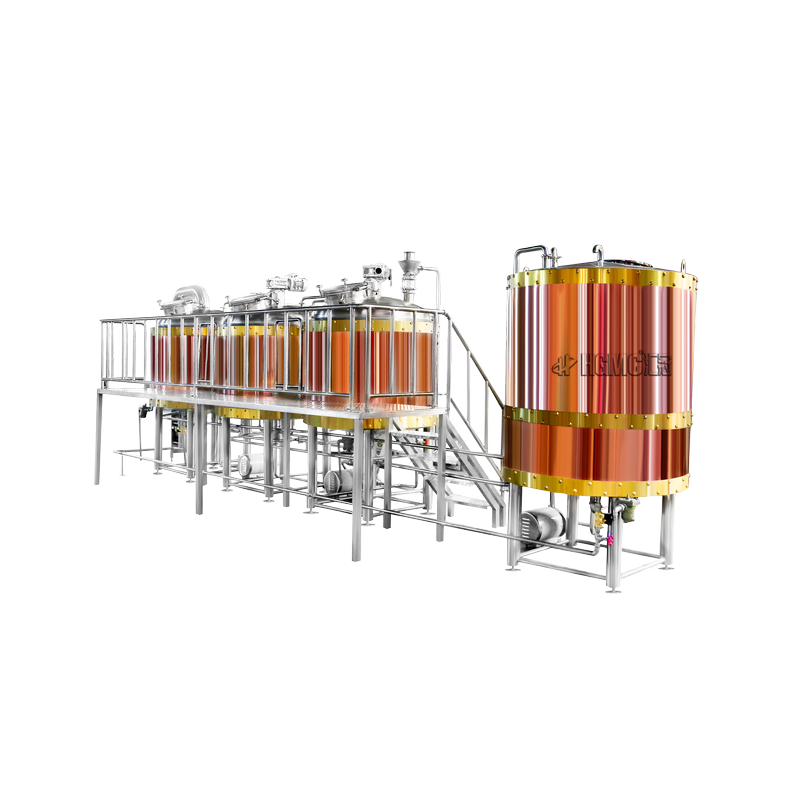
2-Vessel Systems (Combi): Great for breweries with space constraints. They combine mash and lauter functions. They are efficient and require less cleaning (CIP).
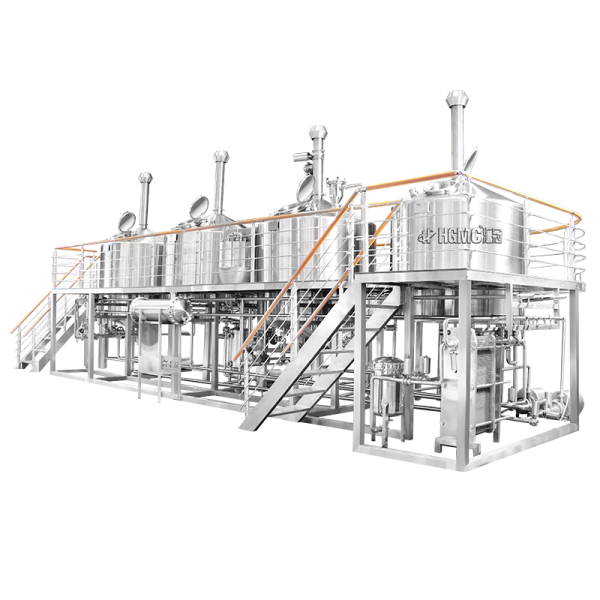
4-Vessel Systems (Conventional): Offer maximum flexibility. They allow for a "brew every 90 minutes" rhythm, which is essential if you need to produce high volumes quickly. This setup is ideal if you plan to brew a wide variety of lagers and ales requiring different mash profiles.

3. Automation for Consistency
Your flagship IPA must taste the same whether it was brewed on a Tuesday morning or a Saturday night.
PLCs (Programmable Logic Controllers): A modern brewhouse uses a PLC to replicate brewing profiles perfectly every time.
Remote Monitoring: Many of our systems now allow head brewers to monitor temperatures, pressures, and valve states from a tablet or phone, giving them freedom while ensuring quality control.
4. The Cellar and Packaging Bottleneck
When you upgrade the brewhouse, you must upgrade the back end.
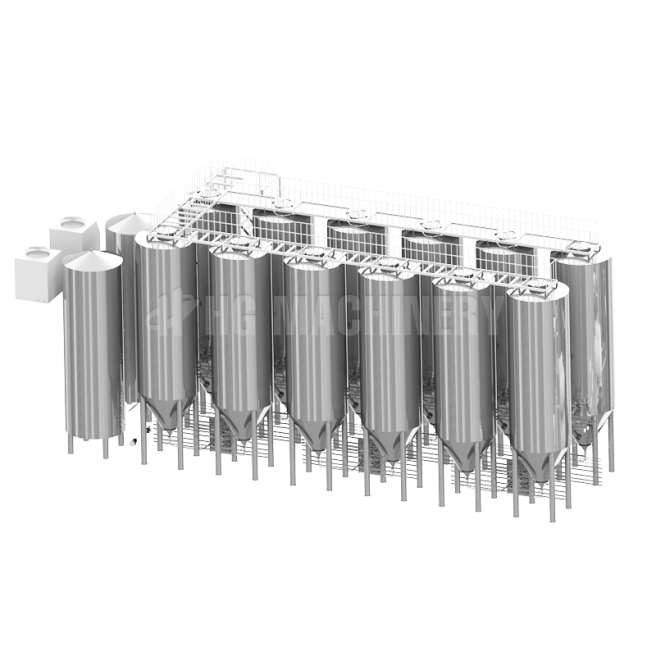
Fermentation Capacity: You need enough fermenter space to handle the increased output.
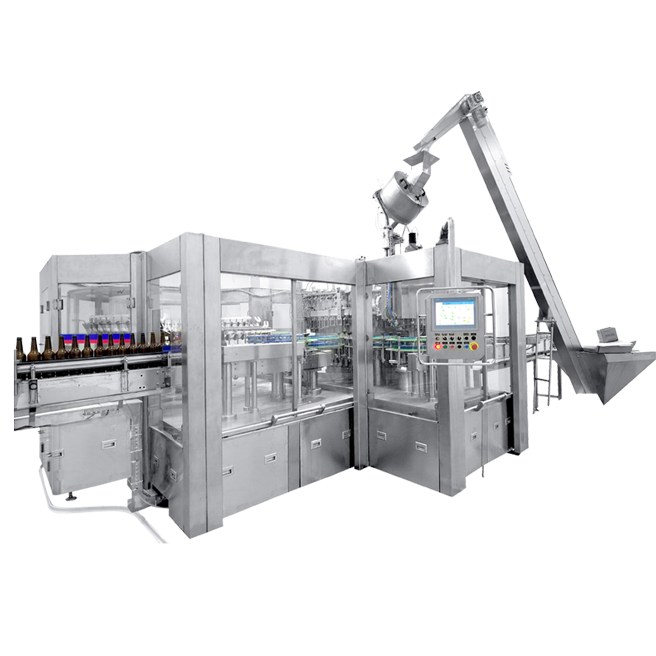
The Packaging Line: If your brewhouse can make 50 BBL a day, but your bottling line can only fill 20 BBL a day, you create a storage crisis. We recommend matching your beer bottling line or canning line capacity to your new brewhouse output to keep the beer flowing.
Conclusion
Scaling up is a risky but rewarding process. You need a partner who understands the engineering challenges of expansion.
[CTA Button: Get a Quote for Your Brewhouse Expansion Project]